

Table of Contents
Marie Claire is one of the most successful women’s magazines in the world. It was founded in France in 1937 by Jean Prouvost and Marcelle Auclair, and immediately made a name for itself through its serious and provocative journalism, pairing fashion and beauty with the key issues facing its female readers.
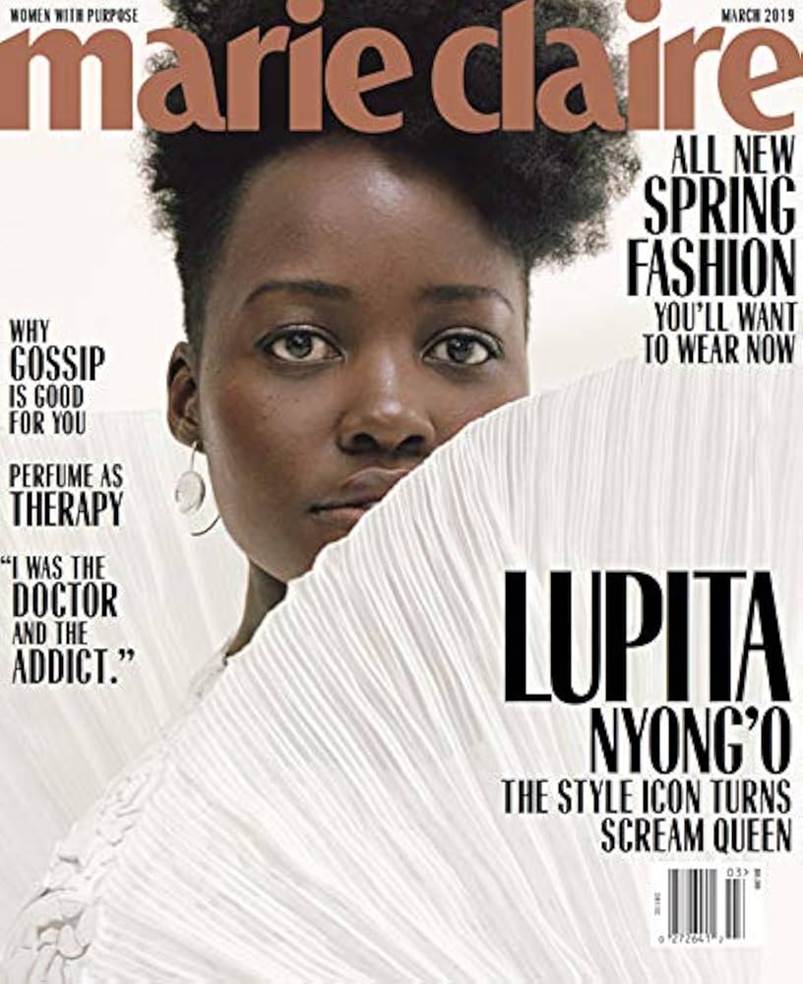
In a world already saturated with glossy women’s fashion and lifestyle titles, Marie Claire focused on content and sought to steer clear of the overly elitist and luxury positioning taken by the major American magazines in the sector and (in the postwar period) Elle, Vogue’s historic French competitor.
By 1939, Marie Claire was close to selling 1 million copies every month, and was cementing its position as a modern and bold publication for the era (source: Wikipedia).
Now let’s take a look at its main graphic design features.
Fashion magazines’ elegant style
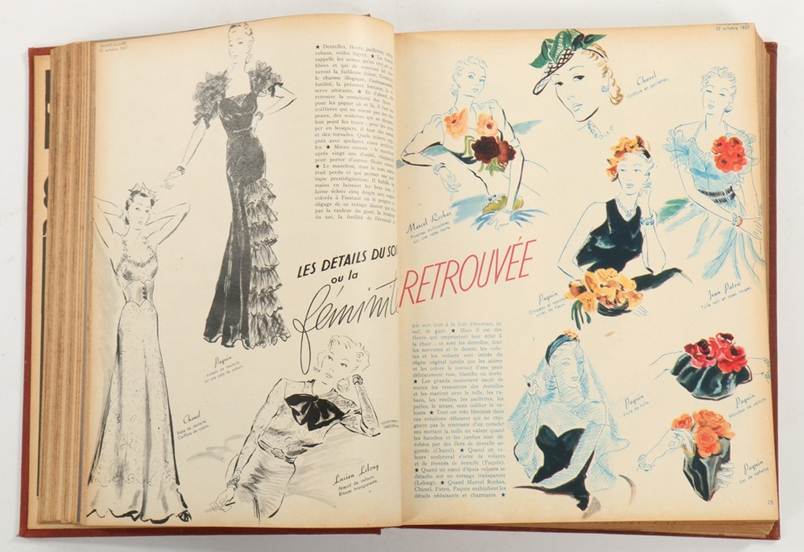
Modern fashion magazines have a well-defined look that is predominantly built around the medium of photography. When photography became fast and reliable and cameras were easier to handle, and when colour printing arrived on the scene, fashion and photography became close bedfellows. This revolution swept away the elegantly stylised illustrations and drawings by artists like Aubreu and Ertè, replacing them with real people and depictions of clothes as they appeared when they came out of the fashion houses.
We haven’t looked at this revolution in our other articles dedicated to this type of magazine: in some ways it reduced the variety in the sector, inevitably making the magazines more similar to one another. However, there were still some differentiating factors between the various magazines: the creative direction behind the photographs, the choice of clothes and colours, and the written content.
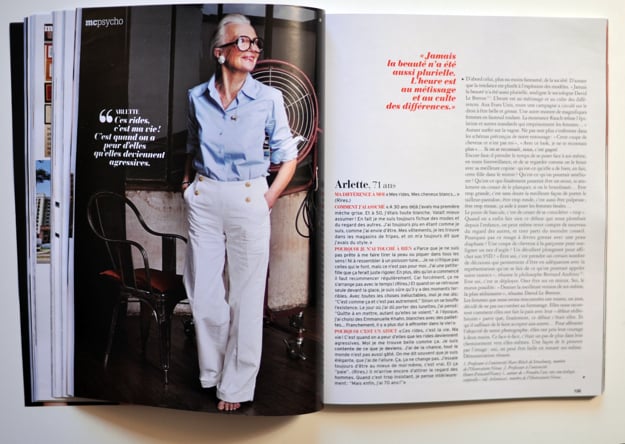
Marie Claire fits into the tradition of the thinking woman’s fashion magazine, incorporating what we now call lifestyle and embracing many different areas of life, not just people’s choice of clothes.
It has a different positioning from Vogue, for instance, which is considered the high fashion bible. Marie Claire started out as a sort of advice manual for middle-class women, but it soon became a key part of the women’s emancipation movement, proposing a model of a proud, independent, daring and modern woman. Indeed, in the 1970s there was even a section of the magazine dedicated to feminist topics. This vision remains to this day, with particular attention paid to the way the female body is narrated.
Reserved graphics
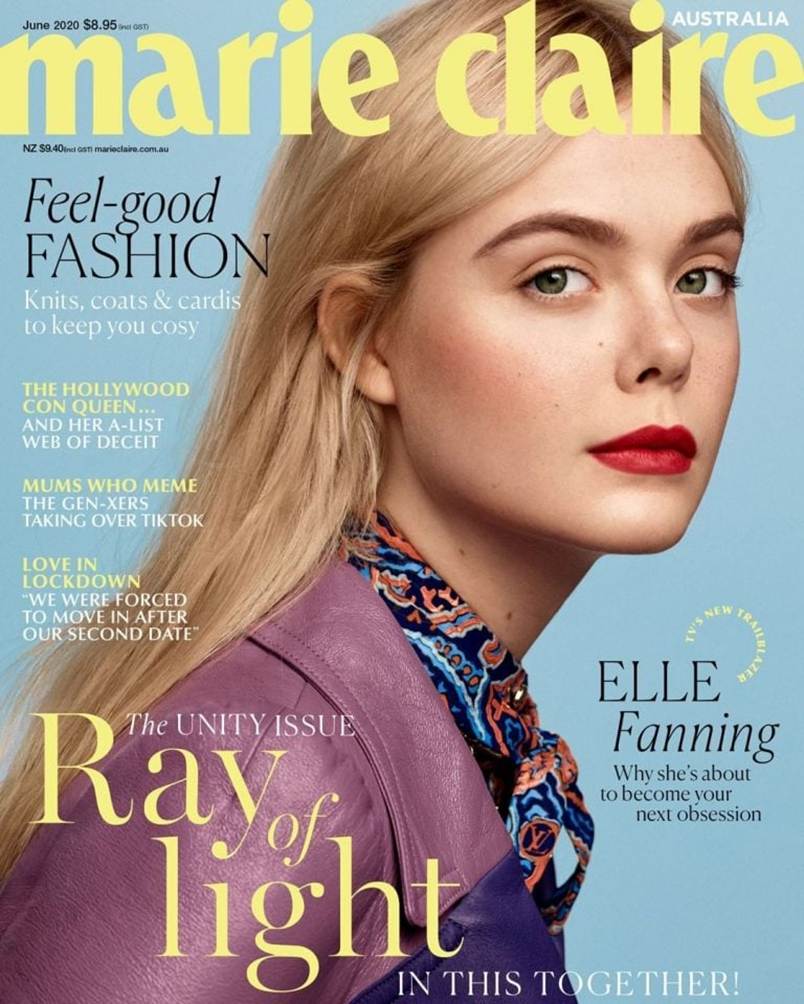
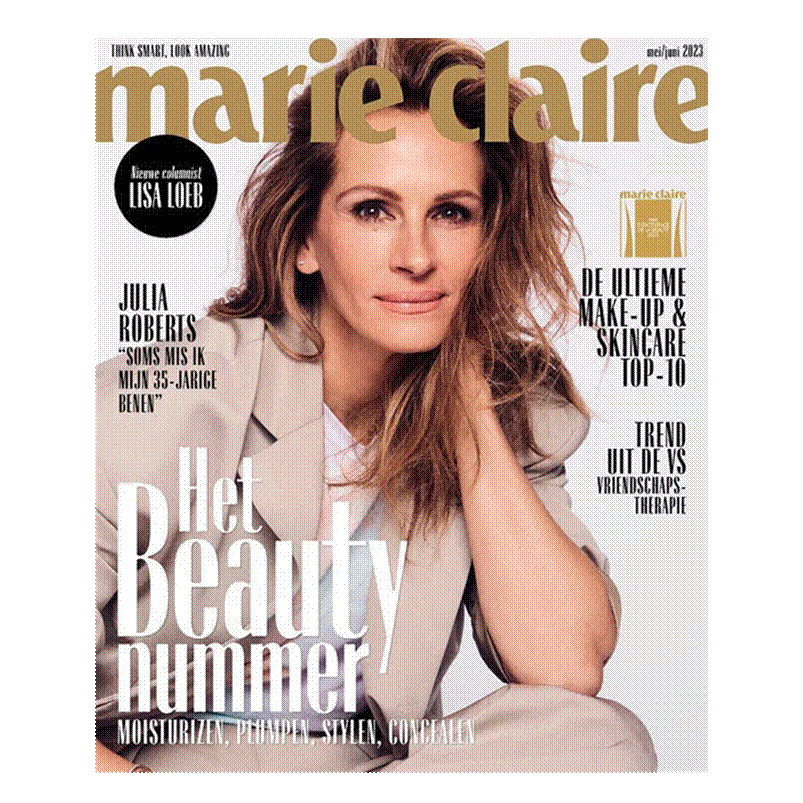
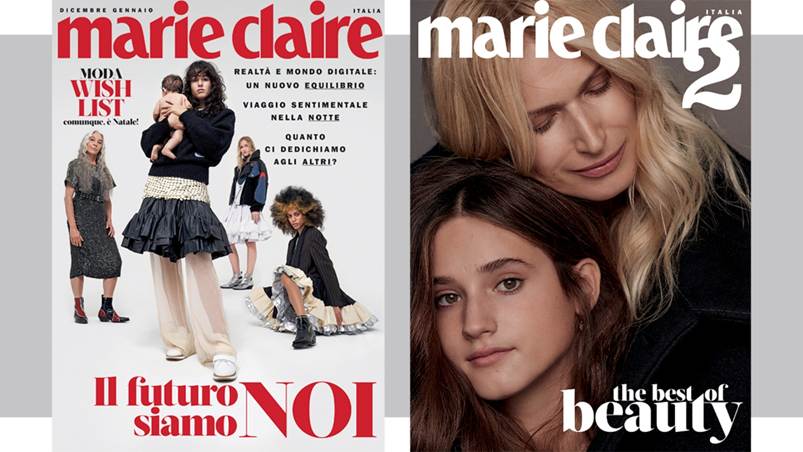
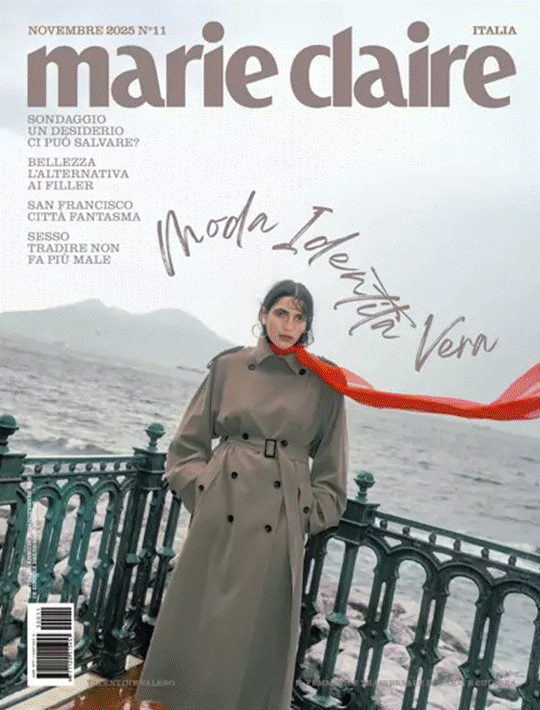
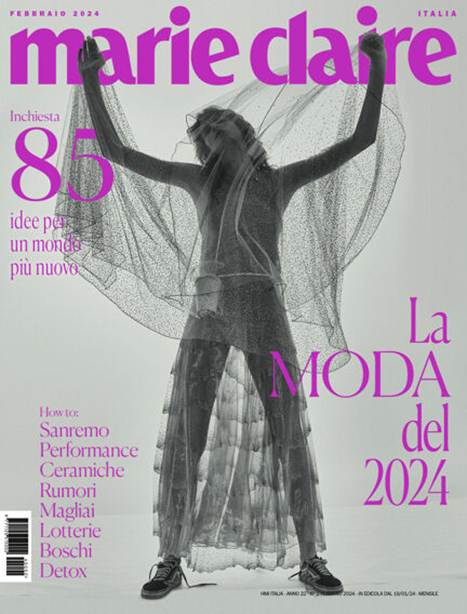
Marie Claire measures approximately 21.5 x 27 cm, and has an elegant look. The cover, as with all titles in this genre, is built around a photo, often a full-length shot, and a distinctive headline with lowercase italicised lettering that suggests an elegantly informal tone.

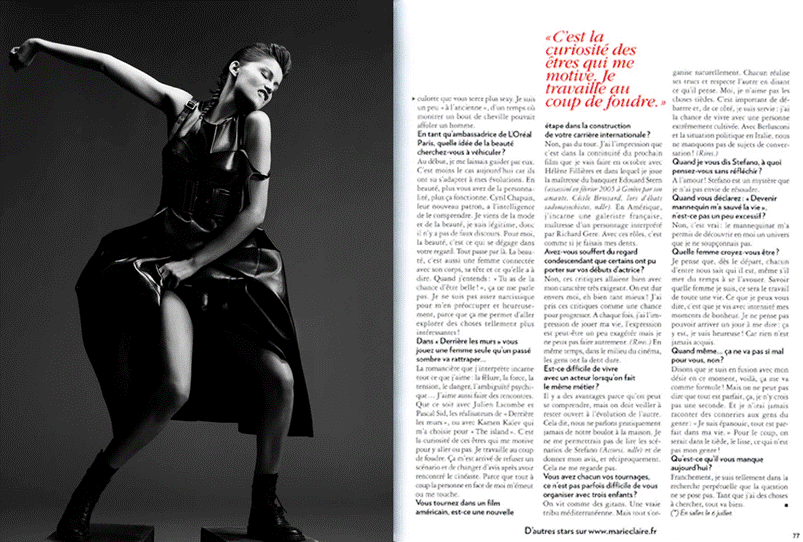
The most recent redesign was in 2023, but the magazine still retains a fairly classic look, with two or three columns per page, full-page photographs and very creatively designed titles.
There are three main fonts: the serif font Lyon for the body text, the sans-serif Barlow for column titles and captions, and the highly distinctive Cardinal for the titles, including some condensed and narrow variants.
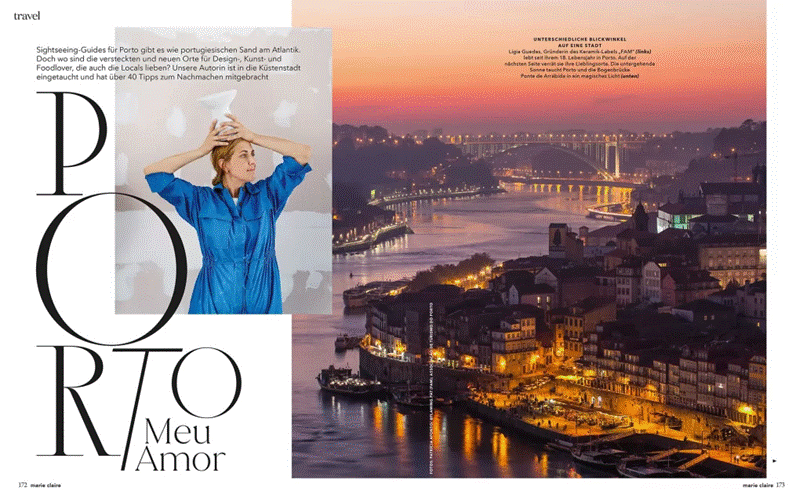
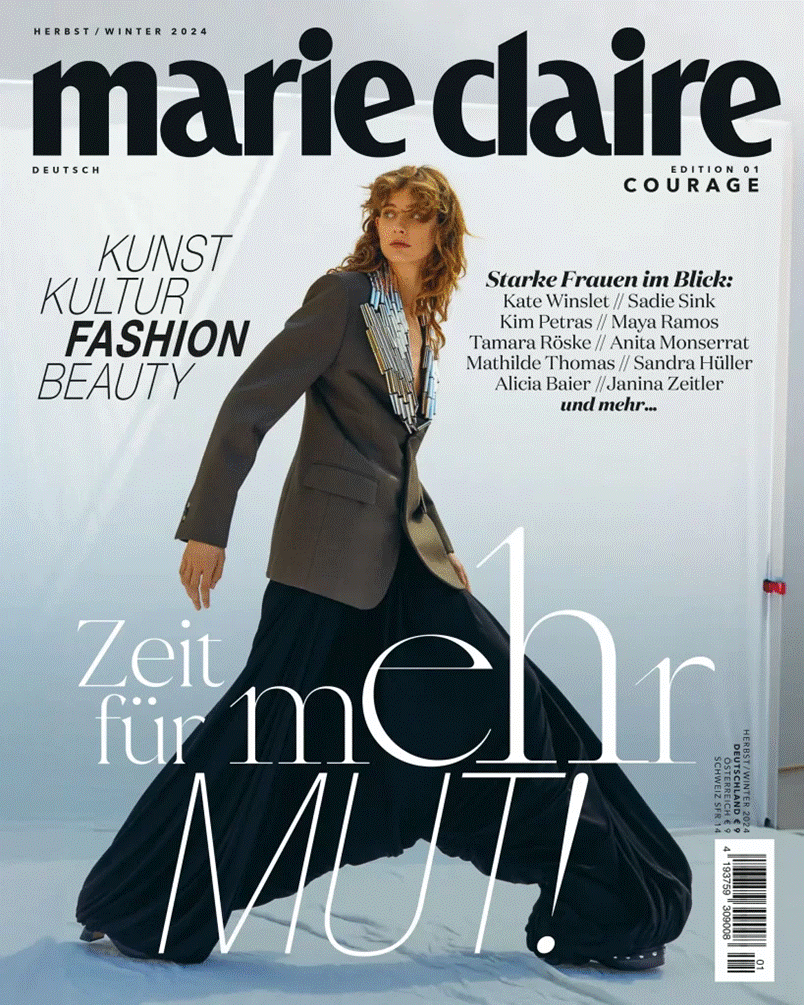
One of Marie Claire’s unusual features is the range of foreign language editions it publishes in various countries in Europe and further afield. Each edition has a local creative team that can – within certain limits – alter the graphic layout of the French magazine.
Images, illustrations and infographics
Like any self-respecting fashion magazine, Marie Claire makes extensive use of large and full-page photographs. Images are an essential part of all its fashion, culture and news stories, combined with a serious and in-depth journalistic approach.
And as always in the fashion sector, the catalogue sections provide an opportunity for rich and creative double-page spreads.
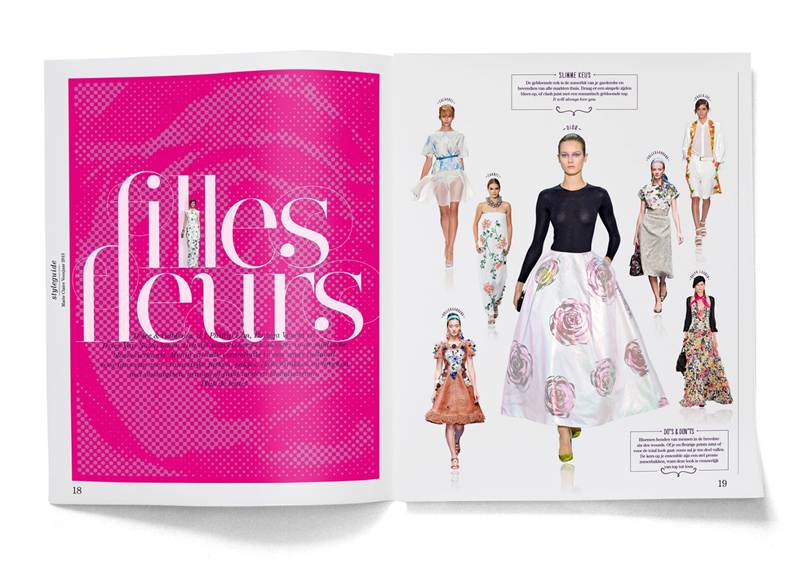
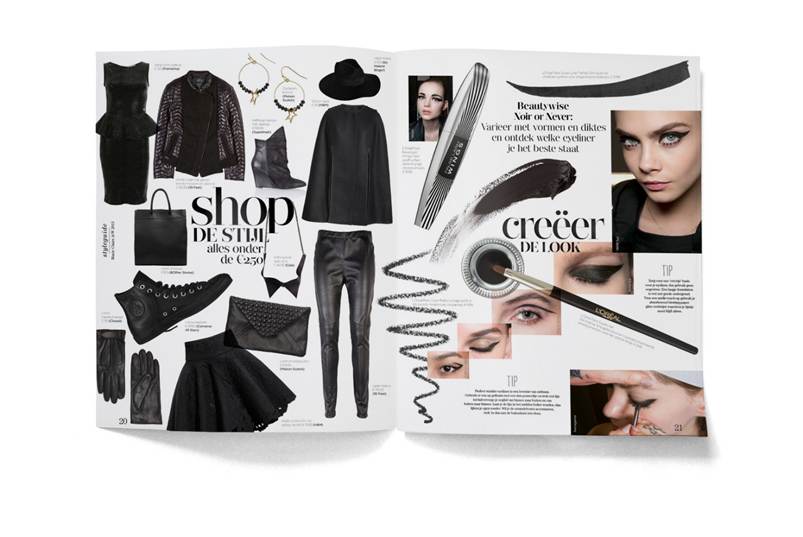
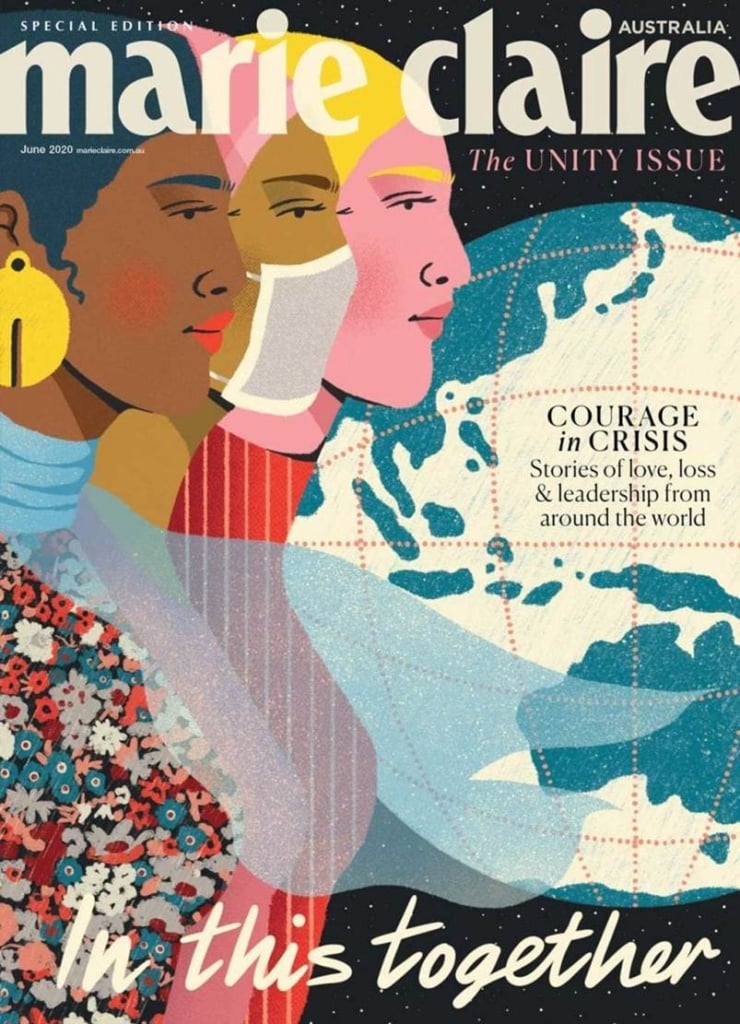
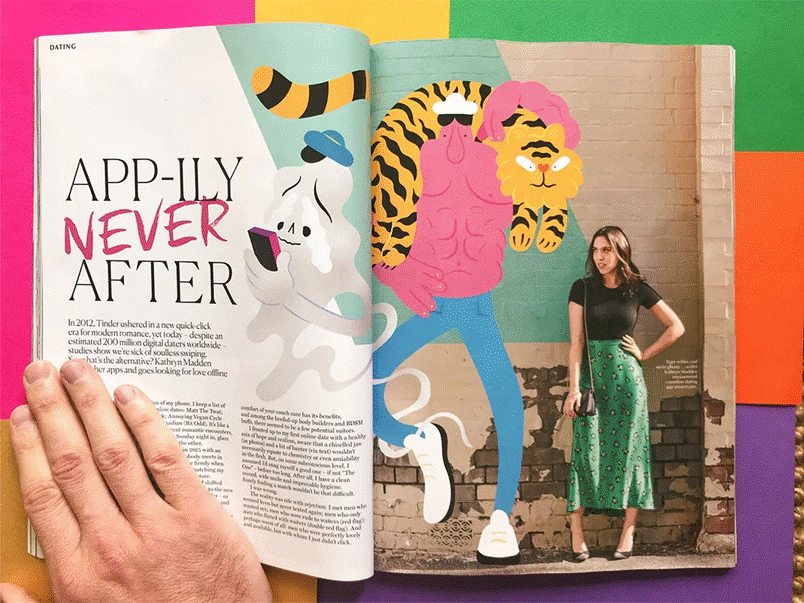
Illustrations and infographics are mostly used as a creative and accessible visual language to emphasise complex content, data or themes, but they are not particularly common.
Takeaways
Marie Claire has cemented its position as a global women’s fashion and current affairs magazine that offers a balanced mix of content on fashion, culture, health and social themes. The current creative team is trying to strengthen the magazine’s premium positioning with a design that pairs tradition and innovation, drawing on distinctive fonts and a carefully curated use of images. The layout is both visually elegant and readable, with meticulous attention paid to the appearance of the magazine’s cover and inside pages, while illustrations and infographics are used strategically to enhance its storytelling.