

Table of Contents
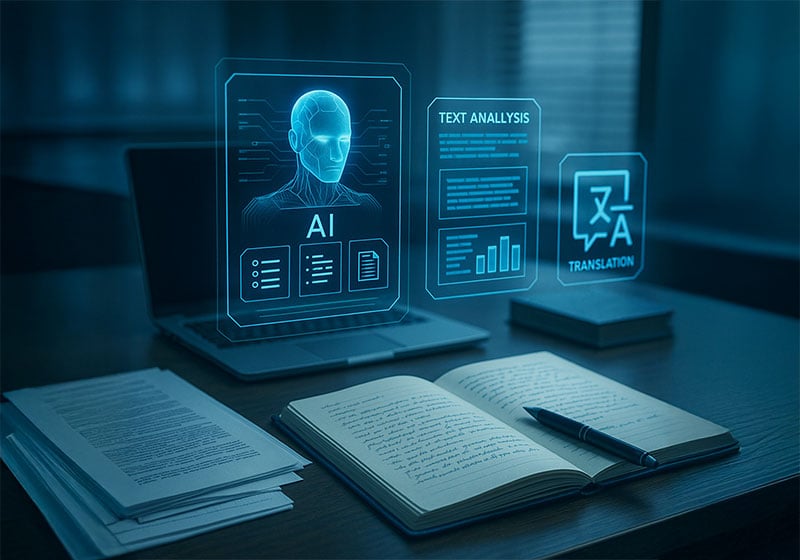
Artificial intelligence (AI) is radically transforming the publishing sector, providing tools that do everything from helping with creating and editing text and graphics to analysing market trends, scouting for new talent and assisting with a book’s promotion.
This revolution has touched every stage of the publishing supply chain and is enabling writers, illustrators, proofreaders and editors to speed up their work and make better decisions. However, AI’s arrival in the book industry also raises a number of important questions regarding copyright protection, creativity and cultural diversity.
From writing to editing: using AI as a creative assistant
As we saw in our article The best artificial intelligence tools for writers, AI-based tools can help authors, editors and proofreaders improve a book’s content and style. Spelling, grammar and tone checking helps to identify typos, repetitions or inconsistencies that often escape the human eye, making it easier to write and revise text.
Algorithms can also simplify the work of graphic designers and illustrators by analysing the titles and covers of published works to identify the most common visual features (fonts, colours, images, etc.) used in a particular literary genre and suggesting solutions that follow market trends and match readers’ expectations. The designer can then choose whether to use these suggestions in the design phase or go their own way and develop original and unconventional graphic layouts.
Most graphic design software also has a series of AI-based tools embedded within it, including image generators, smart retouching features or layout suggestions. These tools can optimise workflows, reducing production times and allowing people to focus on a project’s more conceptual and creative aspects.

Market analysis and new talent scouting
Another field where AI can be applied is analysing market data: by gathering and processing information from a range of sources (sales rankings, social media, website and blog reviews, etc.), algorithms allow publishers to:
- Identify readers’ preferred genres and topics;
- Predict how commercially successful a book might be and how many copies it may sell;
- Identify the most promising up-and-coming authors and invest in publishing works with the most potential.
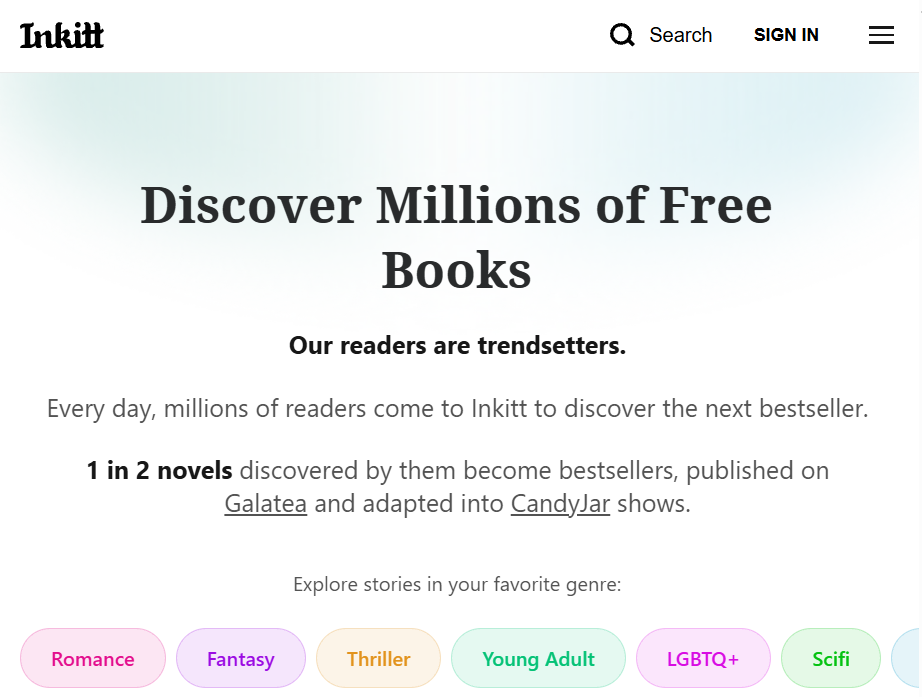
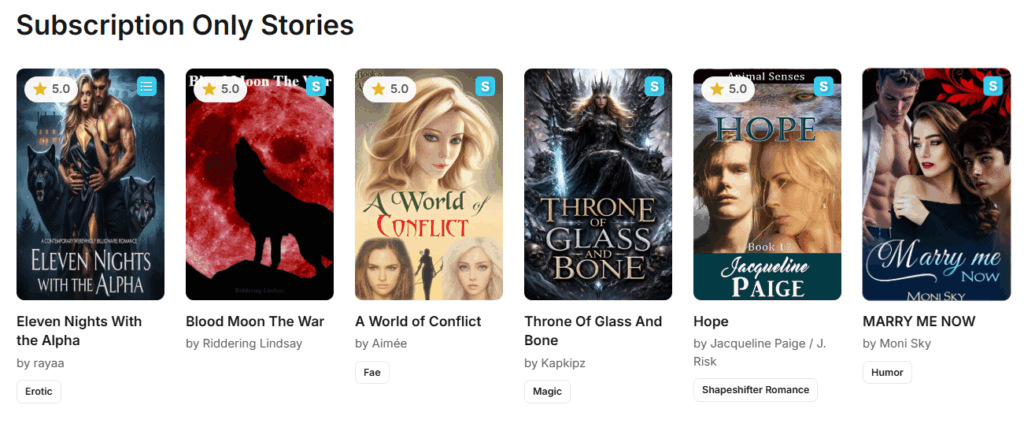
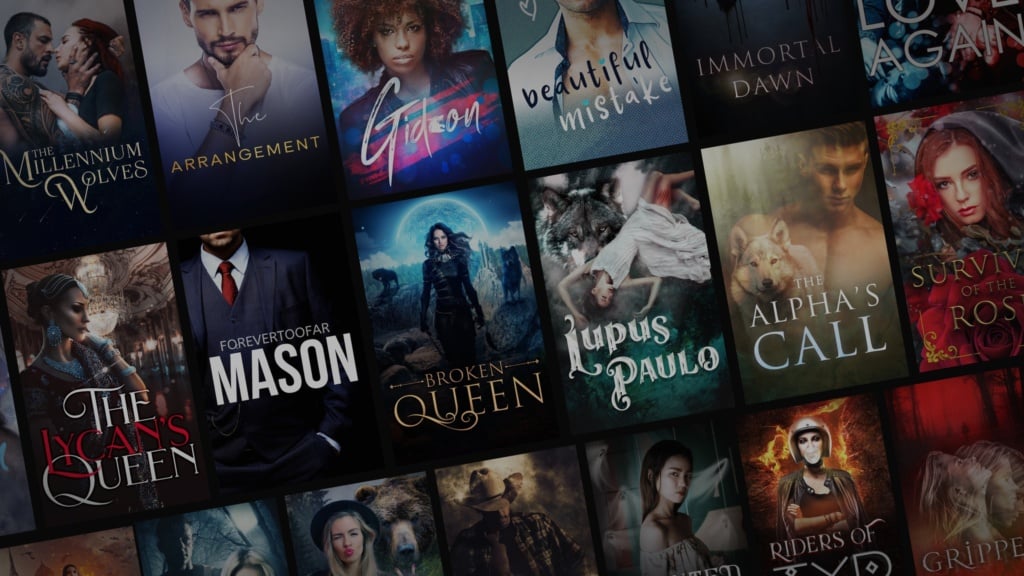
AI is also used in the world of self-publishing: the platform Inkitt, for example, is a place where writers can publish their work free of charge, and users can download it for free and offer advice on how to improve it. An AI-based system then analyses reader behaviour (breaks, reading time and comments) to identify the manuscripts most likely to become bestsellers. If the work passes muster with the algorithm, the author is asked whether they would like to publish it in e-book and audiobook format on the affiliated app Galatea.
New publishing marketing strategies
Algorithms’ ability to analyse huge volumes of data can be used to come up with more effective promotional strategies. For example, a simple prompt can be used to identify the social media accounts talking about a specific literary genre or topic, and so reach the book influencers and the BookTok and Bookstagram communities who may be interested in an upcoming release.
AI can also help with writing and optimising advertising text, presentations, social media posts, book trailer copy and even entire advertising campaigns, speeding up the content creation time and improving conversion rates. Machine learning algorithms can also analyse users’ purchasing and reading history to create suggested reading lists and customised newsletters based on the recipient’s taste, thereby improving both engagement and sales.

Ethical implications and the risks of AI use in publishing
Introducing AI into the publishing industry undoubtedly offers many opportunities, but it also raises various ethical quandaries and brings risks for the creative professions. Research published by the Society of Authors – the British trade union for illustrators, writers and literary translators – reveals that 36% of translators and 26% of illustrators interviewed have lost work to artificial intelligence.
The rise of these technologies also calls the idea of a creative product into question: if a text or image is conceived or co-designed by AI software, who is its true creator? This is a particularly complex issue, not least because these platforms are trained on databases comprising millions of texts and images, often extracted without the authors’ explicit consent.
In an attempt to counter this phenomenon, in October 2024 the publisher Penguin Random House inserted a clause in its books prohibiting the use or reproduction of the text ‘for the purposes of training artificial intelligence technologies or systems‘. The fact the world’s largest publisher chose to take this step reiterates how AI’s exploitation of copyright-protected work requires urgent global action.
There is also another issue involving the selection and quality of manuscripts: if linguistic models tend to favour more commercial titles and penalise niche or experimental works, what will happen to cultural diversity? The use of automatic writing and editing systems can also lead to an impoverishment of the language, as well as the risk of unwittingly conveying cultural bias, as the algorithms reflect the preferences of those who train them in terms of gender representation, language or geographical origin.
In conclusion, AI allows writers, publishers, editors and marketing professionals to automate repetitive tasks, improve decision-making processes and reduce the costs and time involved in promoting a book, so they can focus on the aspects that require human input: intelligence, culture, sensitivity and creativity. However, if the introduction of these new technologies is to have a genuinely positive and sustainable impact on the publishing sector, algorithms must be considered a tool to support these professions and not a cheap replacement for human labour, and they must be used in an ethical and transparent way that complies with existing copyright law.