


Table of Contents
Verbal identity is a cornerstone of any brand worth its salt. It’s how the business expresses its personality and values when it speaks to the public. Not only does a distinctive and memorable brand voice make companies stand out from the competition, it also creates a direct connection with customers and builds a relationship based on trust and shared values.
Verbal identity works hand in hand with visual identity to tell a credible and coherent story about a brand. In this piece, we’ll explain what verbal identity means and what exactly it comprises, as well as tell you how to build one from scratch, step by step. We’ll end with two examples: the first illustrates how verbal and visual identity can work together to successfully express the essence of a brand; the second shows what can go wrong when they’re out of whack.
What is a verbal identity?
A verbal identity is more than just a slogan: it’s a framework that includes both what and how an organisation communicates. Its purpose is to convey the values, emotions and characteristics that set a brand apart from the rest. It includes the key messages a brand wants to give, as well as its story, personality, tone of voice and preferred vocabulary and grammar.
1.Brand personality
Every brand has a personality, a set of human characteristics that can be used to describe it and the way it speaks. For example, Nike has a personality that is brave, passionate and determined. It encourages you to be your best and push your limits. These character traits shine through in every aspect of its verbal identity, from the tag line (“Just Do It”) to the content of its campaigns, where famous athletes are presented as ordinary people who got where they are through hard work and tenacity.
Nike recently re-launched its iconic tag line with the “Why Do It?” campaign. Aimed at the next generation of athletes, whatever their level, it urges them to believe in their ability and see challenges not as obstacles, but as milestones on their journey to achieving their goals. The language is motivational and the tone, insistent and excitable, brings to mind a coach giving their team a pep talk before a match.
2.Tone of voice
Tone of voice describes both the style and language a brand uses to address the public. One verbal identity can have several tones of voice, depending on the situation and medium used. Think of tone of voice as the attitude taken in any given communication: formal or informal, serious or humorous, gentle or aggressive.
For example, a firm might adopt a cheerful and friendly tone on socials, but choose a more corporate and technical one in a user manual. While brands can and should adjust their tone of voice for different situations, it’s crucial that this stays consistent with the brand’s philosophy and identity, so as not to sound inauthentic and confuse the audience.
3.Word choice
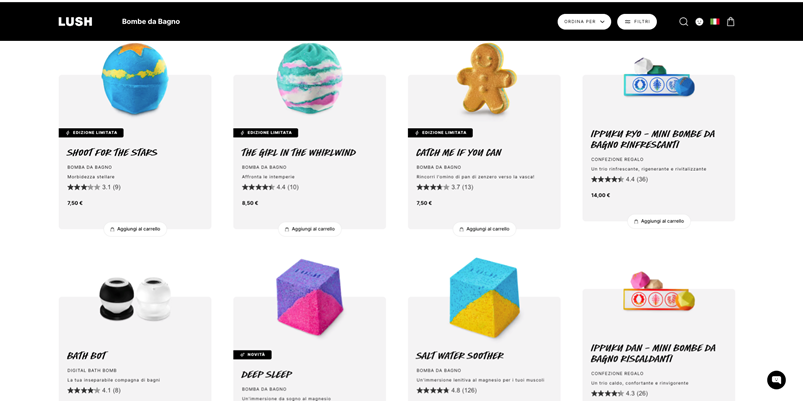
The use of particular words, phrases and neologisms helps a brand to stand apart from its competitors and stick in the minds of consumers. For instance, Lush Cosmetics is brilliant at devising highly original names to convey the distinctive features of its products: before it came along, no cosmetics brand would have dared offer “bombs” to drop in the bath!
4.Syntax and rhythm
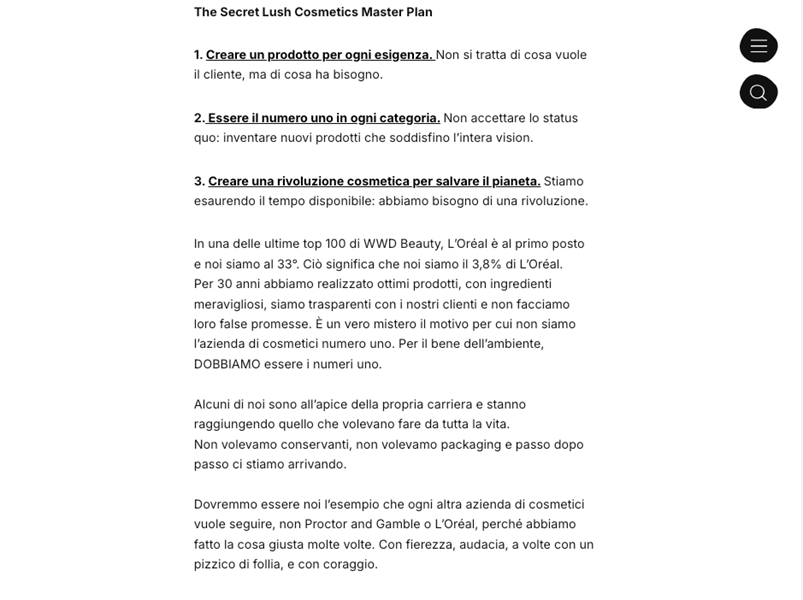
Syntax and rhythm are also part of verbal identity, as the two following examples show. In setting out its “master plan”, Lush speaks in a colloquial and direct style: it switches between short, urgent and assertive sentences and longer, more descriptive ones. The simple syntax favours coordinate clauses over subordinate clauses, breaking with the stiff and formal language of business used by many companies.
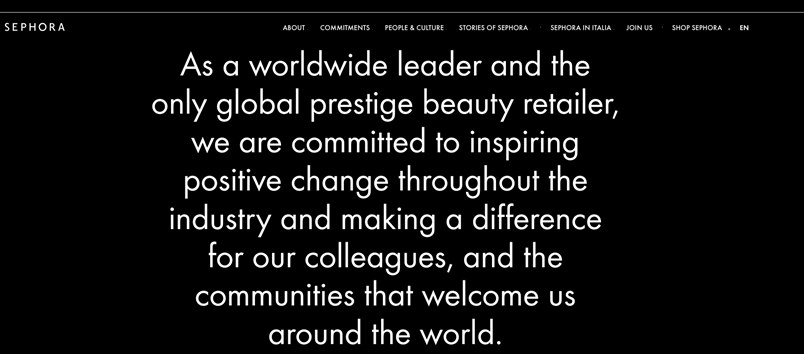
Sephora opts for a more regular rhythm and more formal language, while keeping the vocabulary inclusive (“we”, “our colleagues”). The result is a tone of voice that is more corporate, but still manages to sound warm.
5.Key messages
These are the fundamental values and ideas that a brand wants to get across. They represent its promise to the consumer. The more consistent its verbal identity with these messages, the more authentic a brand’s communication will sound to the customer’s ears.
6.Storytelling
Storytelling refers to the narratives an organisation uses to talk about it actions, origins, mission, products, customers and everything else to do with its brand.
How to create an effective and recognisable verbal identity
To create a strong verbal identity, you need to take into account four key factors: the brand’s personality and values on the one hand, and its competitors and target customers on the other.
Here’s a step-by-step guide:
1.Audit current communication
If a brand is already present in the market, you need to understand how the public perceive it, so that you can ensure that verbal identity and brand identity are aligned. The audit can involve surveying consumers, analysing comments and reviews left by customers, as well as the studying content published on different channels (website, socials, emails, etc.).
2.Take into account the brand’s identity
It’s vital to keep in mind the elements that make up a company’s identity: mission, vision, values and personality. The brand voice should reflect and convey these effectively so that consumers can recognise (and remember) the brand easily.
3.Study the market
How do competitors speak to their audience and what channels do they use? Studying the competition will help you find an original and distinctive voice that showcases the brand’s strengths.
4.Define the brand voice
Now it’s time to set the rules for vocabulary and style: words to use and avoid, syntax and rhythm to adopt, the tone of voice to employ in different contexts, and the rhetorical devices and key messages to deploy.

5.Write guidelines for verbal identity
Drawing up a verbal identity guide that explains how to use the brand voice will help maintain a consistent voice across all content and channels.
6.Train people
For a verbal identity to be truly effective, you need to train people how to use it properly. You can do this by giving training sessions where they can see real-life examples and practise using the verbal identity themselves.
7.Check the verbal identity guidelines are effective
Language is a living organism that’s constantly evolving. This means you must monitor brand voice over time, collecting feedback from staff and customers that you can use to tweak your verbal identity guidelines.
When verbal and visual identity align… and when they clash
Verbal identity and visual identity are two fundamental pillars in a firm’s strategy for positioning and communicating. Without distinctive verbal and visual identities that are consistent with each other, a brand will struggle to express its uniqueness.
For a brand to be recognisable, credible and memorable, its verbal and visual identity must be perfectly in sync. Apple is a perfect example: by combining minimalist imagery with spare language that uses short, simple sentences and straightforward words, it masterfully showcases its products and the philosophy behind them.
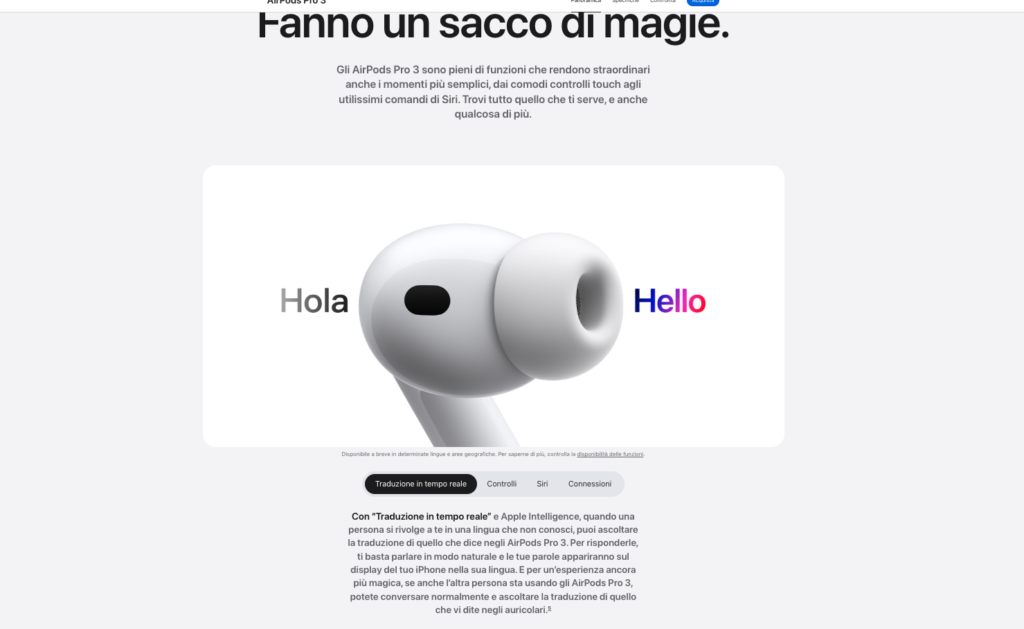
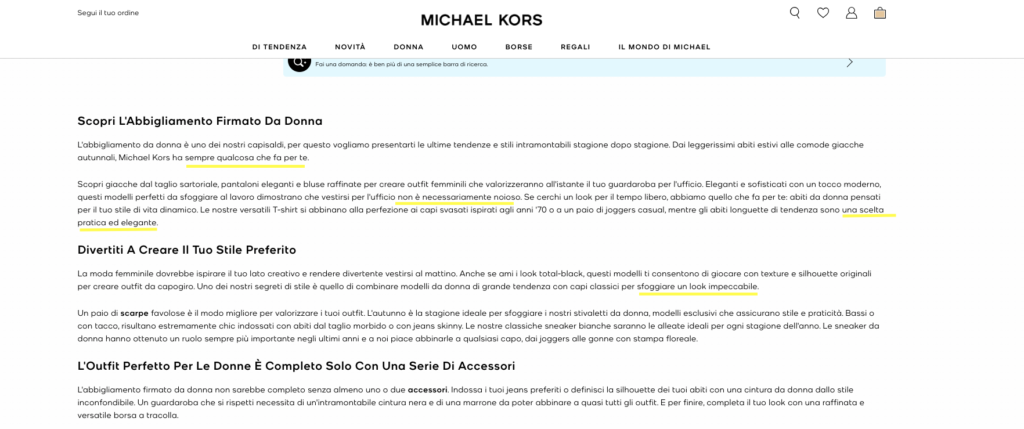
Likewise, if what a company “tells” with words doesn’t match what it “shows” with images, people will see the inconsistency and may lose trust in the brand. Think of a website with slick graphic design but bland copy: this misalignment can confuse consumers and lead them to doubt the brand’s authority. The website for upmarket fashion house Michael Kors is a case in point: visually, the site looks glamorous, with glossy photos promising a luxury experience. But the pedestrian, cliché-ridden copy makes you think you’ve landed on the website for a mass-market label.
Aligning verbal and visual identity is critical for building strong brand recognition and trust over the long term. Brands that blend words and images in a coherent and compelling way can win over customers for life.