

Table of Contents
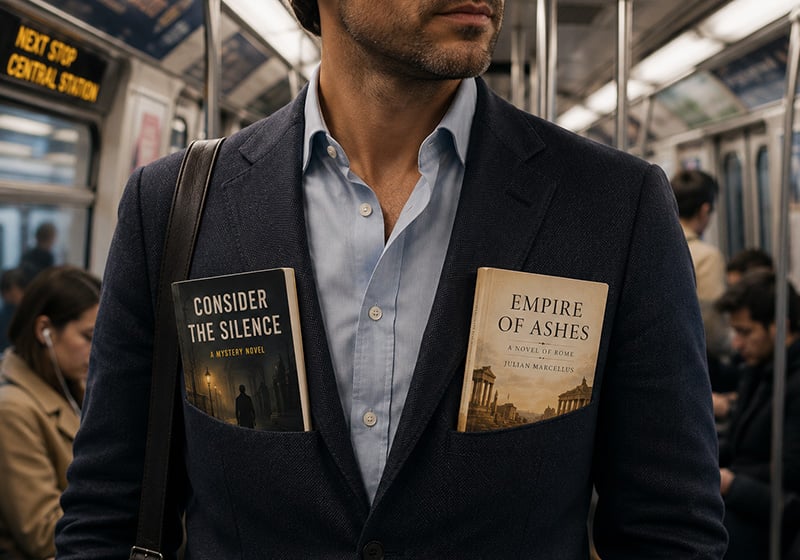
In the 1960s, The Beatles sang a song about a paperback writer: an aspiring author who longed to publish a novel and live off the success of his books.
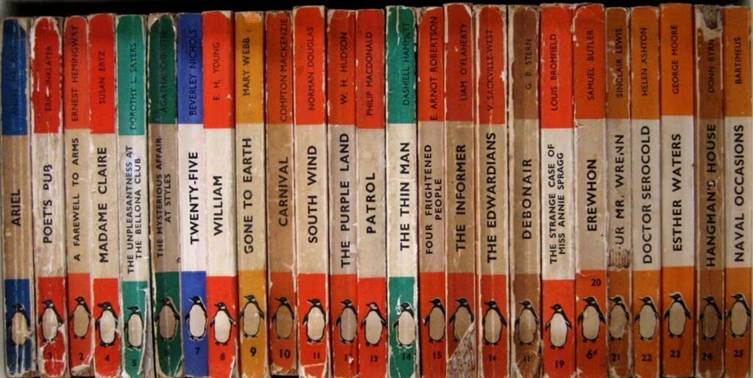
At the time, paperbacks – books that cost a few pence and were designed to slip into the pocket of your jeans to read on the train or while queueing outside an office – were in their heyday. They’d been around for about 30 years, and had already turned the world of publishing upside-down. They had made a fortune for authors, and especially for publishers, but even more importantly, they had spearheaded a cultural revolution that turned one of the printing industry’s most utopian ideals into reality: distributing knowledge universally through the medium of books!
Recently, however, paperbacks seem to have lost their appeal. Many commentators – with varying levels of scorn – have noted that books are becoming increasingly ‘chic’: performative objects designed as status symbols to buy and flaunt within your community, rather than containers of knowledge within everyone’s reach.
Is this really where books are headed? What are the benefits of deluxe editions, and what lies in store for good old-fashioned paperbacks? While we ponder these questions, let’s learn a bit more about this iconic book format!
What is a paperback?
Paperbacks’ most important feature was once their size – in their golden age, they had standard, fairly small dimensions, designed to fit into your pocket. But this idea has largely disappeared: paperbacks now tend to be a cheaper edition of a text that has already been published, printed in a long print run with softcover binding, and distributed widely.
Simple enough, you might say. And yet, before this format was invented, books were something different altogether. Objects designed for scholars, writers and people from the world of culture, or products that only the wealthiest could afford.
Paperbacks changed the rules of the game. They turned books into consumer items for all social classes, and made knowledge more ‘democratic’ in the process.
Who invented paperbacks?
Speaking of which… when were paperbacks invented, and by whom? Aldo Manuzio‘s name is often mentioned in discussions about the paperback’s origins. In the late fifteenth century, the renowned printer came up with the idea of creating an octavo version of books in addition to the large and expensive editions. This format was designed to be easy to handle and transport, as well as cheaper and therefore suited to a wider audience.
There were many examples of proto-paperbacks in the nineteenth century, when publishers were already seeking to expand their market by producing books aimed at all social classes.
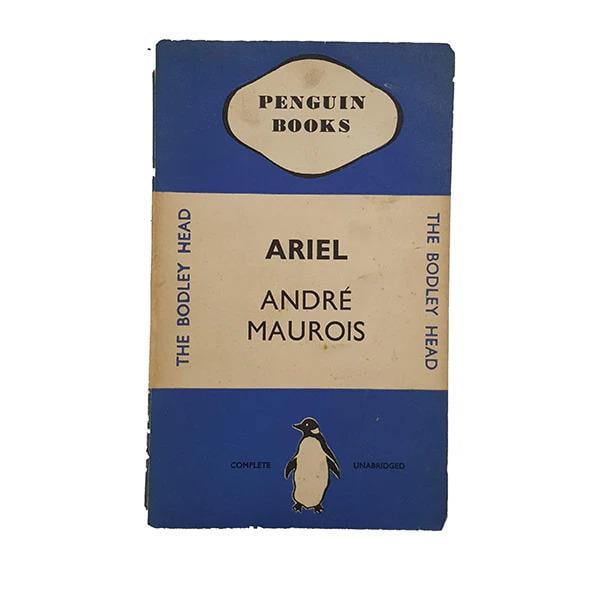
But true paperbacks were invented in the 1930s. The format had certain precise characteristics, which would remain the standard for almost the entire twentieth century:
- Small size (11 x 18 cm across the world);
- Paperback binding, which is much cheaper than hardback, although less durable. The pages are glued to the spine of a flexible cover.
- Low price.
Other distinguishing features included:
- Sequentially numbered volumes;
- A large initial print run;
- Extensive sales channels (originally including newsagents)
- A cultural concept: the wish to accommodate a wide array of people from all social classes, and not necessarily highly educated
The invention of paperbacks: from Albatross Books to Penguin
Let’s take a closer look at the inventors of the first real paperbacks in the 1930s.
Leading the way was a publisher based in Hamburg, Albatross Books, which launched a highly successful series of affordable books in English, called the Albatross Modern Continental Library.
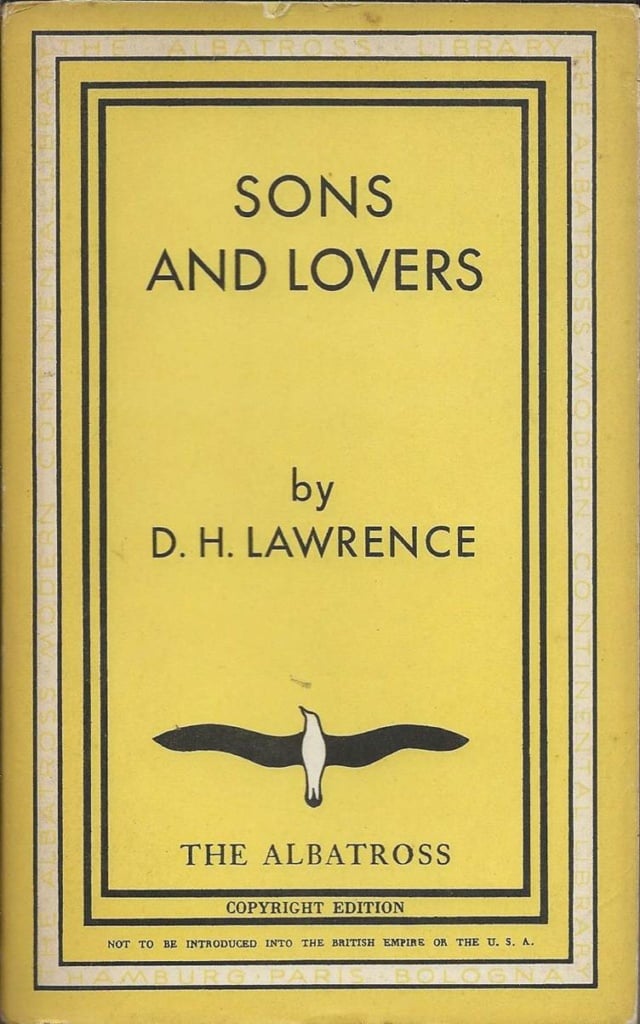
The graphic design was curated by the art director from the Italian publisher Mondadori, Hans Mardersteig. As well as the paperback binding, which kept prices of the copies very low, the first series of paperbacks ever made also had some very distinctive features, described well in an article by critic and publishing expert Giuliano Vigini [Italian only]. The main characteristic was the colour of the cover, which varied depending on the genre: yellow for psychological novels and essays, red for adventure and detective books, green for travel, and so on.
The graphic design also included a very distinctive logo, and the paper size chosen went on to become the industry standard: 181 x 111 mm, which, incidentally, is also very close to the proportions of the Golden Ratio.
While Albatross Books undoubtedly deserves a lot of plaudits, there’s no arguing that another publisher, Penguin Books, made the format iconic. Penguin’s affordable editions, first created in 1935, turned out to be a magic formula for publishers and readers alike, combining high-quality content, carefully thought-out and curated artwork, colour covers, long print runs, very low prices, and a wide distribution network to reach a new mass market.
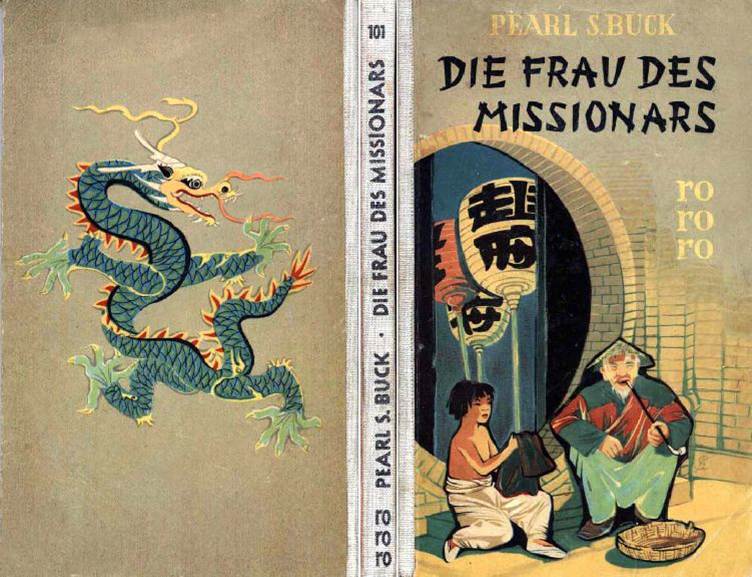
The results were incredible: less than a year on from its launch, Penguin Books reached its one millionth printed copy. The idea was soon taken up by other publishers from across the world. In 1939 it was the turn of the US-based Pocket Books, which offered a series of classic and modern works in paperback format for 25 cents each, from Shakespeare through to Emily Brontë and Agatha Christie. The initial print run was very high (around 10,000 copies), and, like Penguin, the publisher surpassed one million copies sold in its first year. In 1949 the affordable Biblioteca Universale Rizzoli (BUR) series was launched in Italy, followed in 1950 by Rowohlt in Germany – with its rororo Taschenbücher series – and the French Livres de poche.
In short, paperbacks were a genuine revolution that went well beyond the publishing sphere. Many of these series were cultural projects as much as publishing ones: the new format opened up new worlds of knowledge and gave practically everyone the opportunity to access them for just a few pence.
Paperbacks in crisis and new approaches to books
In the late twentieth century, there was still a vast array of paperback editions on the market, with new series still piquing the interest of the general public. In Italy, for example, the Miti Mondadori and the Einaudi Stile Libero series date from around this time.
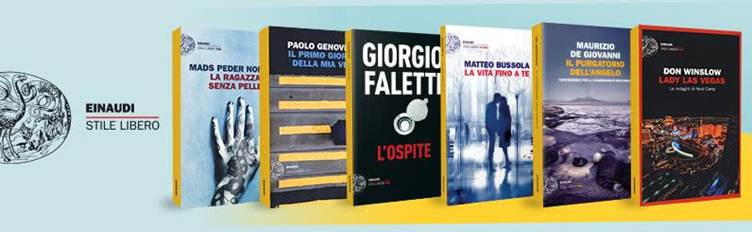
But something was changing. The distinction between cheaper paperbacks and more expensive hardback books was disappearing, along with the difference between classes of readers. In just a few years, the paperback’s identity faded and gradually lost its appeal. There was also a lot of experimentation, including cheaper series aimed at a highly cultured readership, and new releases that came out immediately in paperback.
Other things were happening at the same time: knowledge was still being made available to everyone, but through the internet or through digital formats like e-books (which replaced a large proportion of sales of cheaper books in the USA, but not in Europe). In the publishing world, it became increasingly important to consider ‘how the book was presented, and what kind of object to produce, to reach the desired audience. Books started to look like presentation boxes for texts‘, the author Giacomo Papi explained.
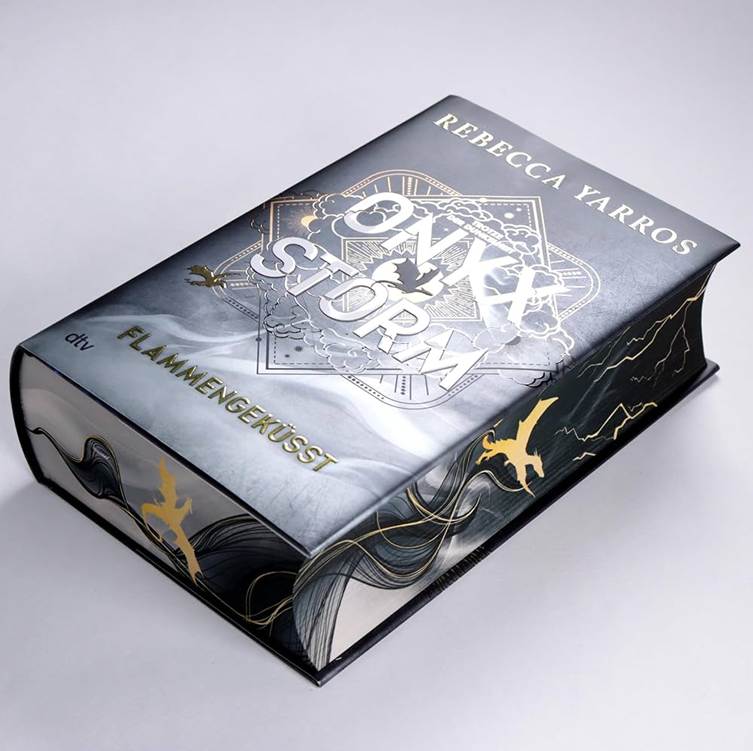
While paperbacks seem to have lost their identity, other types of book have replaced them at the forefront of readers’ minds – increasingly elaborate deluxe special editions, designed to win over the public and provide stage presence on social media.
A bookshop advertising a deluxe edition with a glittering cover on TikTok.
Publishers are therefore starting to focus on complex covers, decorated edges (‘spredges’, a contraction of ‘sprayed edges’) and special content, but printed in large runs for a wide audience. One example of this is the hardcover edition of Rebecca Yarros’ fantasy novel Fourth Wing, which alongside the books Iron Flame and Onyx Storm makes up a series that has enjoyed incredible success on BookTok. 1 million copies were printed of this edition with a metallic cover and black spredges.
The books in the trilogy have also been published in a series of deluxe and limited editions. The idea is to extend a bestseller’s life cycle – the same aim that paperbacks have had for decades – based on the hope that fans will buy several different versions of a book they already love, and so attract new readers through social media and sales charts.
There are plenty of other examples of this happening with other titles too. Successful special editions have been created by Bloomsbury for J.K. Rowling’s Harry Potter books. Deluxe editions of Colleen Hoover’s bestsellers (It Starts With Us and It Ends With Us) followed on from the paperbacks’ success, while another book that made a splash on BookTok during the pandemic, Taylor Jenkins Reid’s The Seven Husbands of Evelyn Hugo, went from a hardcover edition to a paperback and then to the deluxe edition.
While in image terms premium books and limited editions seem to have become mainstream, it still remains to be seen whether they will be able to provide the same revenue for publishers as paperbacks. The debate is still ongoing in the publishing world!
What do you think? Do you prefer a mass-market book or a premium edition? And what future do you think paperbacks have?