


Table of Contents
“The image is psyche. The psyche is essentially formed of images.”
Whenever we talk about archetypes or images influencing our minds, we are citing – even if we don’t realise it – the thinking and work of Carl Gustav Jung (1875–1961), the Swiss psychiatrist and father of analytical psychology, and one of the greatest thinkers of the 20th century.
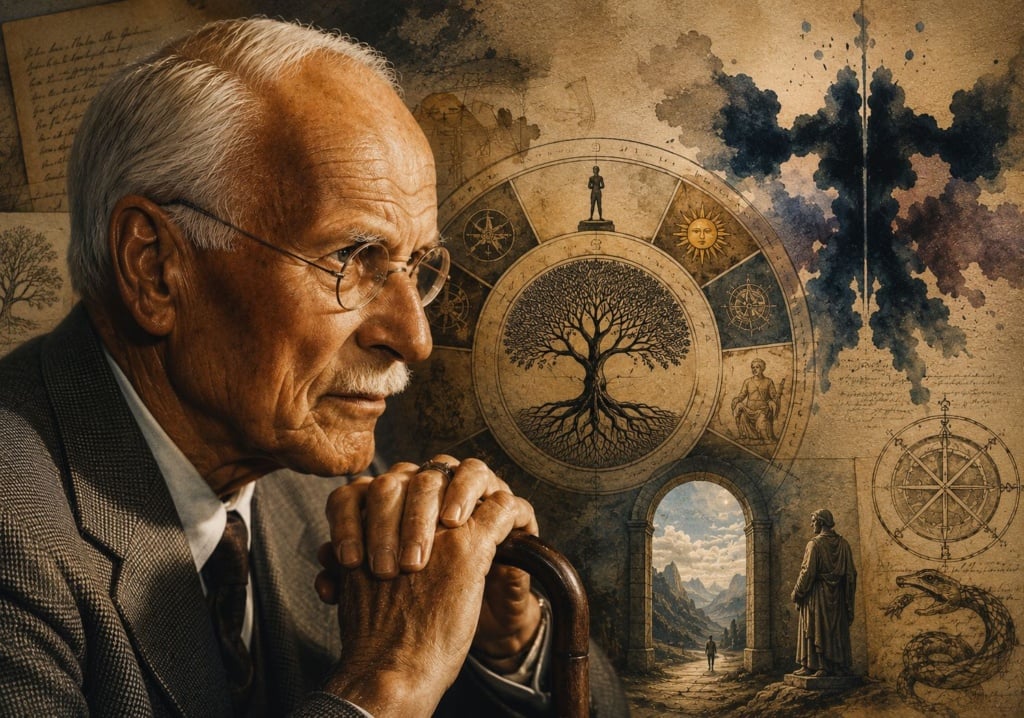
Jung spent much of his life studying the unconscious, dreams, symbols and inner images. He was a long-time student and admirer of Sigmund Freud, until they parted ways over what they both agreed were irreconcilable differences.
Although he trained as a doctor and applied scientific principles, Jung was also interested in everything in the mind that was considered delusional or irrational; he was convinced that the human psyche thought, and acted, through figures, myths and spontaneous images that emerged in dreams, the imagination and artistic expression.
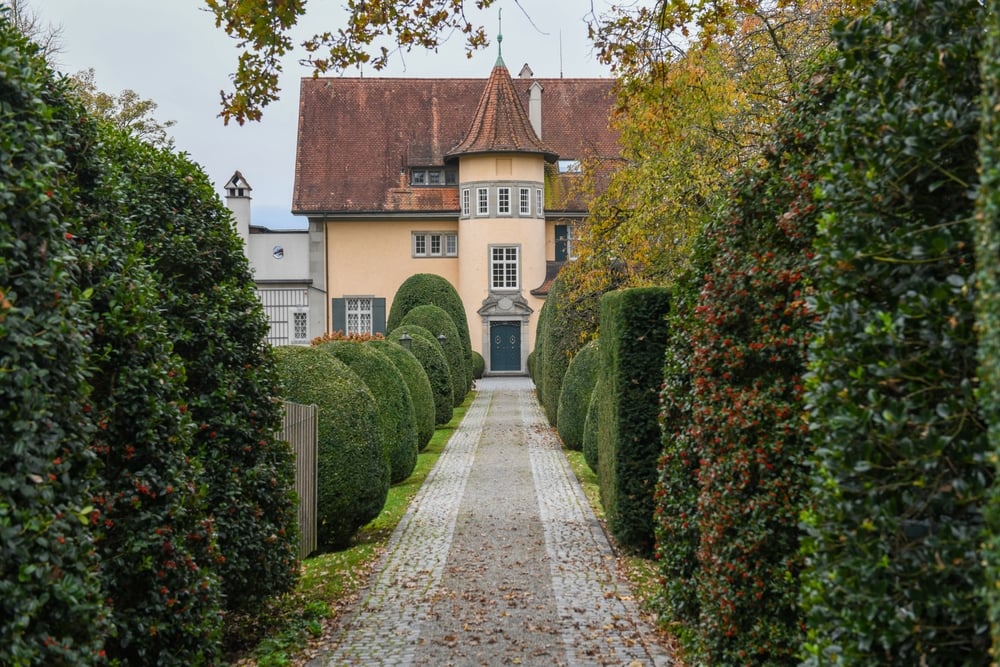
In his office, Jung collected not only books, but also images, icons and prints that in some way spoke to him. He scoured these for that archetypal essence which, he theorised, lay beneath every mythical or religious story and formed a shared archetypal imagination that stretched back for millennia.
By archetype, Jung meant a sort of universal model and primordial image that he claimed was rooted in the collective unconscious. This, he said, was the foundation of the human psyche, passed down from generation to generation, and instinctively displayed through myths and dreams, stories and fairy tales.
Jung identified 12 different character archetypes each with its own model of behaviour.
Loki, the Norse trickster god. Illustration from an 18th-century Icelandic manuscript. Source: https://en.wikipedia.org/wiki/Jungian_archetypes
The use of images
Jung loved art, but feared being seen as an artist himself, which is why he kept hidden his own work (icons and illustrations, as well as calligraphy and sculptures) so it wouldn’t undermine his reputation as a revered scientist.
It was a period when art and science were heading in different directions, with art more interested in the irrational and the expression of the unconscious, and science increasingly driven by maths and logical thinking and focused on answering humanity’s great questions.
In his practice as a psychotherapist, Jung used a technique that he called active imagination in which images are used to find answers (and solutions) in the patient’s unconscious. I won’t go into detail about this complex process here, but I mention it to give you an idea of just how much faith Jung placed in images.
He would observe and ponder images at great length, examining from every angle the reactions they elicited.
For Jung, images have to be more than vivid: they have to come alive in the observer’s mind.
Images don’t have to come from works of art, either: they can be images in dreams, which Jung himself often experienced as visions.
And then there are evoked images, especially those evoked by myths. Jung believed myths are fundamental to humankind’s understanding of reality, and it was by identifying repeated patterns in myths through the ages that he developed the idea of archetypes.
One of Jung’s great innovations was to explore the processes triggered inside our heads by images. Thanks to his boundless erudition and the invaluable assistance of Marie-Louise von Franz (whose books on interpreting fairy tales would become landmarks in the study of archetypal narratives), he developed techniques for exercising the imagination.
This method he called active imagination (Aktive Imagination).
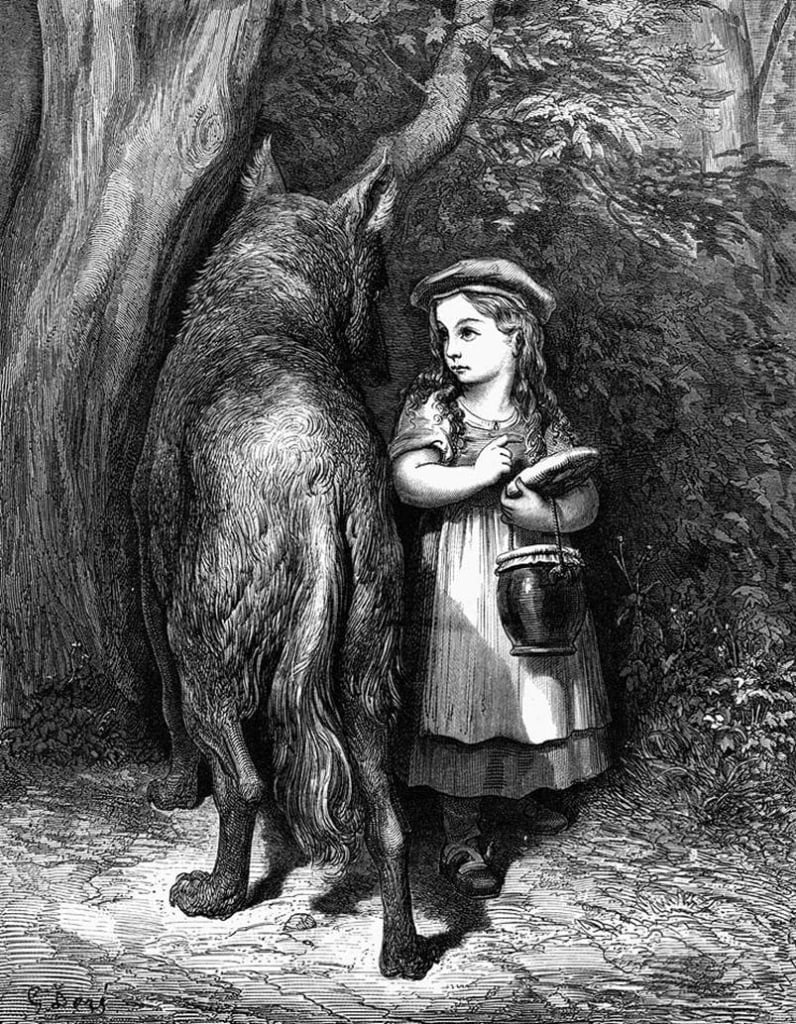
Active imagination
Let’s briefly look at how Jung claimed this methodology worked, a methodology that, he warned, required caution.
“It consists in using an emotional lens to look at a feeling, a compulsion, an obsessive thought or a dream, giving it a shape or form, or developing its spontaneous expression to dramatise and bring it to life.” (Christian Gaillard, Il museo immaginario di Carl Gustav Jung).
In practice, images emerge and then become stories, dramas and poems, but especially pictures and drawings.
The experience of creating an image is far more powerful than just looking at one, and sets in train deeper unconscious processes that lie in the body as much as the mind.
The museum of images
So, we’ve sketched out Jung’s relationship with images and how he influenced the study of art and creative processes, bringing psychology and image analysis to aesthetics. Now it’s time to step inside Jung’s museum and take a closer look at the images he loved and the pictures he hung on the walls of his home and office.
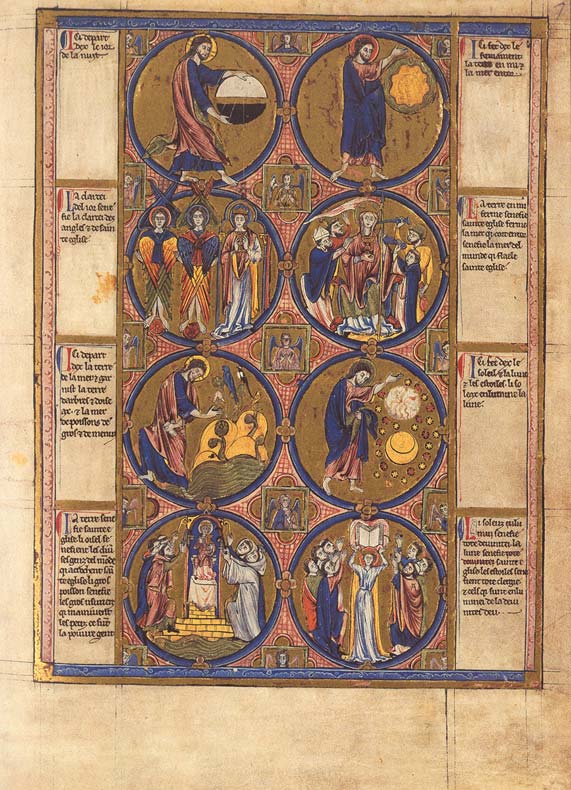
His initial interest – perhaps due to his upbringing – was in Christian religious imagery, such as Byzantine icons or paintings.
Later, his horizons broadened, but rather than turn towards the revolutionary art movements of the time, like Dada in his native Switzerland, he sought out religious works, developing, for example, a fascination for the imagery of old alchemy books.
Let’s dig a little deeper into these interests.
Tibetan mandalas
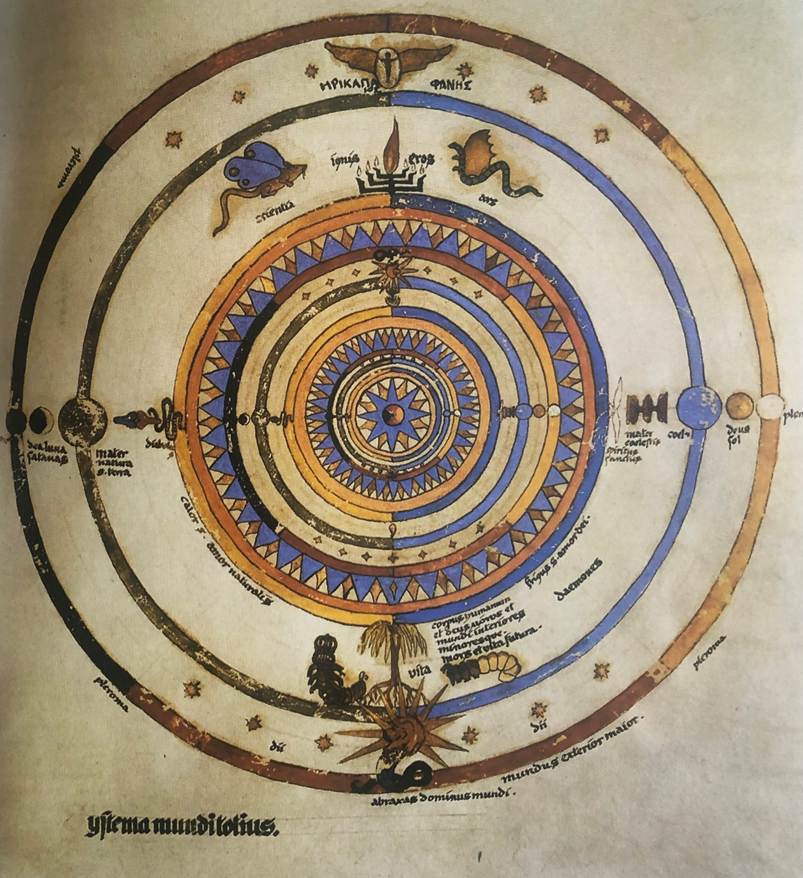
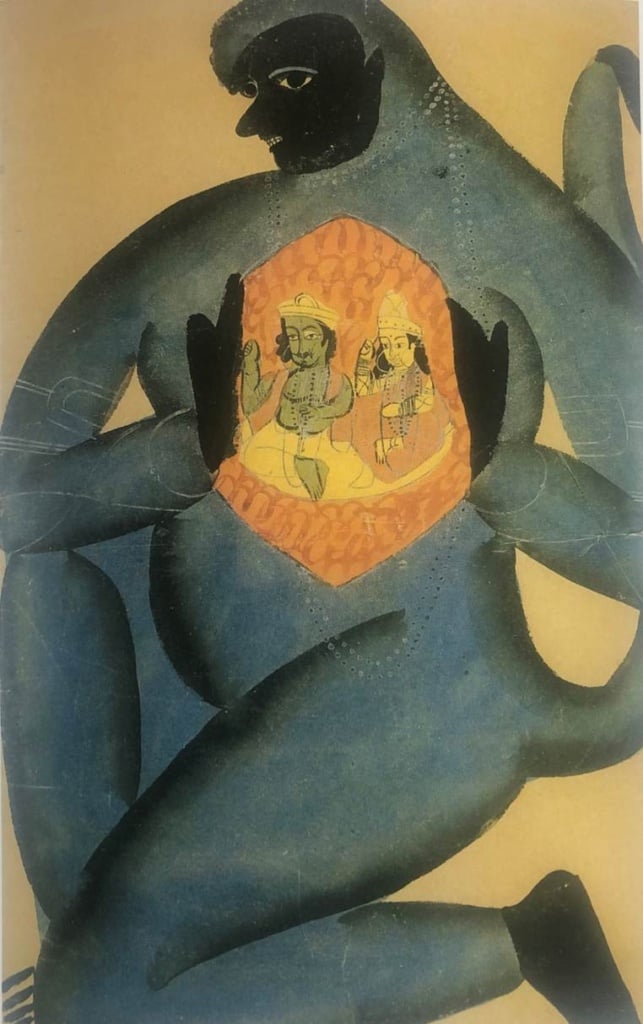
Jung was captivated by Buddhist mandalas, which are diagrams representing the cosmos that are used as a tool for meditation. He saw in them a universal form that would also appear spontaneously his patients’ dreams and imaginary productions. He regarded them as symbolic representations of the whole psyche, which he called the Self.
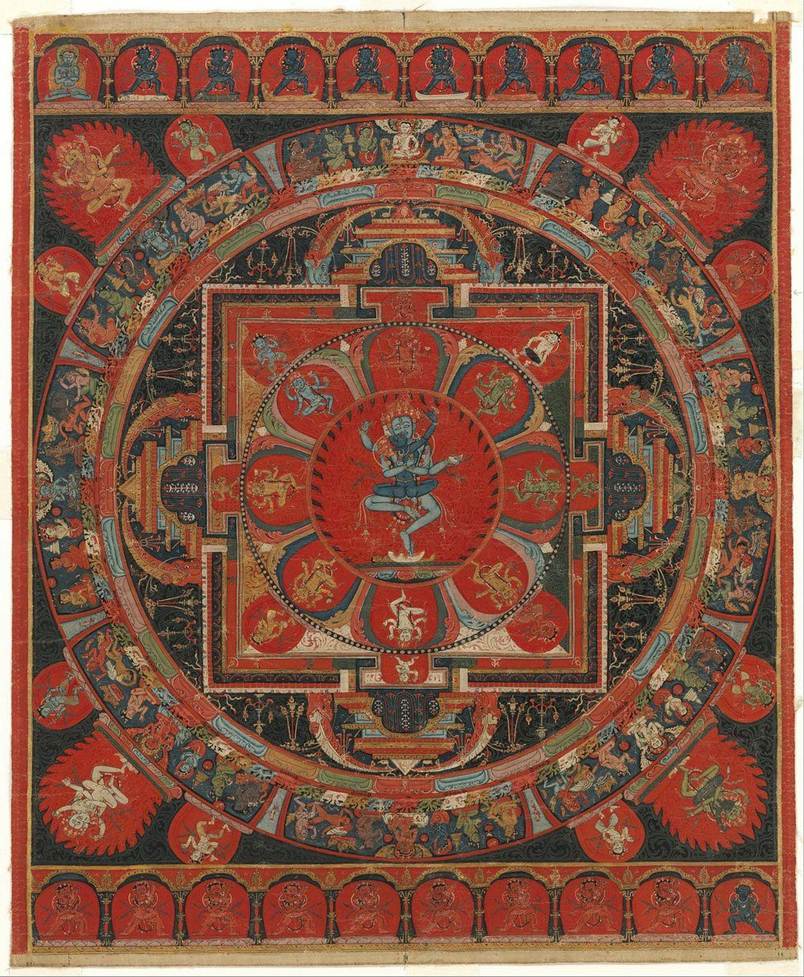
https://en.wikipedia.org/wiki/Hevajra
Reproductions of eastern mandalas from Jung’s personal collection also featured in his publications. He also created his own intricate mandalas, some of which he included in the Red Book: Liber Novus.
Alchemy illustrations
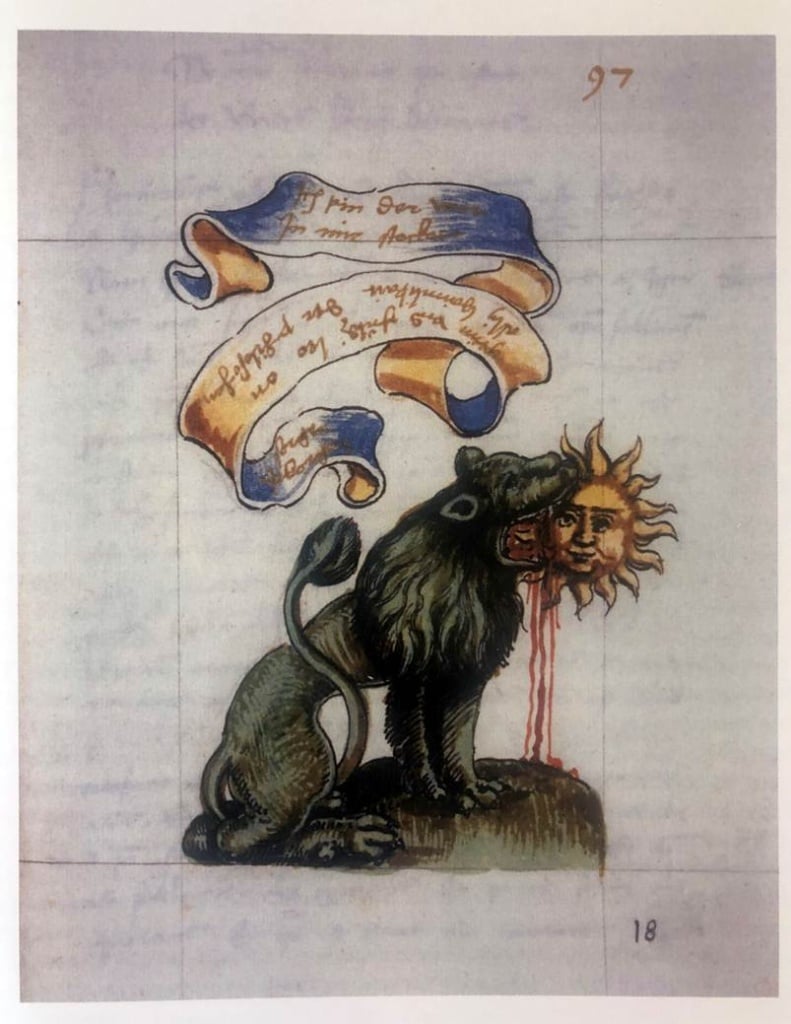
In the last 30 years of his life, Jung obsessively studied European alchemy, accumulating an extraordinary library of illustrated texts from the 16th and 17th centuries, some very rare. He was particularly interested in pictures symbolising so-called chymical weddings, marriages of opposites where two figures meld into one single being.
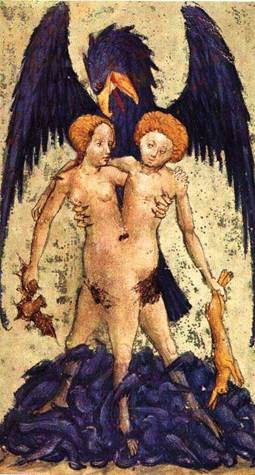
Source: Wikipedia. https://it.wikipedia.org/wiki/Aurora_consurgens
Just as for mandalas, Jung scoured these old images for evidence to support his intuitions about the processes that transform the psyche.
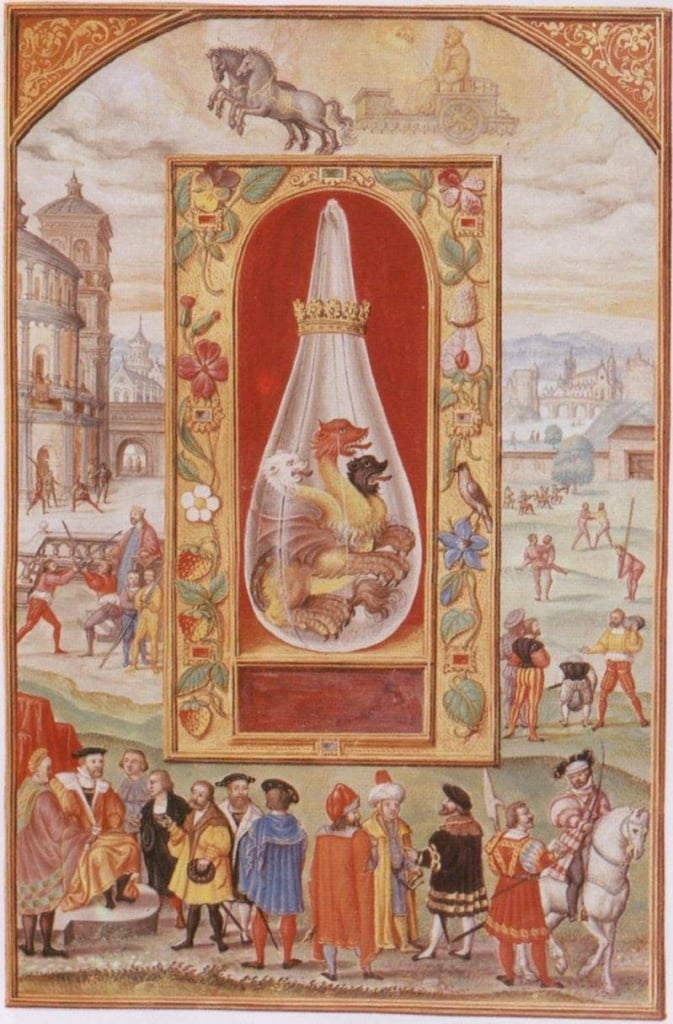
The famous Splendor Solis, a lavishly illustrated 16th-century tome, was one of the alchemy books that most struck the psychiatrist.
Gnostic images
Jung was intrigued by ancient Gnosticism and its symbolic imagery. Gnosticism grew out of early Christianity and its adherents believed that salvation could only be reached personally through mystical and secret knowledge (gnosis). Gnostics were persecuted during the Inquisition.
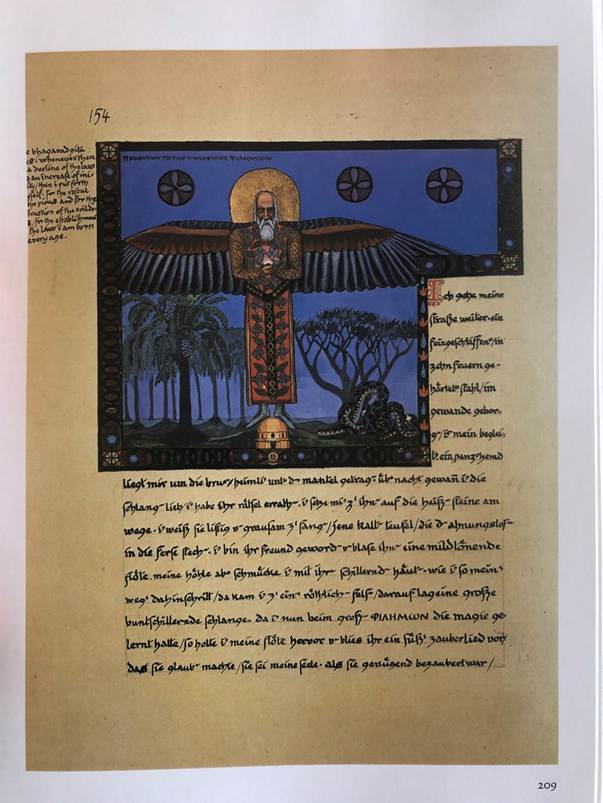
Jung was drawn to the figure of Abraxas, an enigmatic deity who also appears in his Red Book. He believed that reproductions of gnostic symbols, like those used by Christian mystics, were visual proof of universal inner experiences.
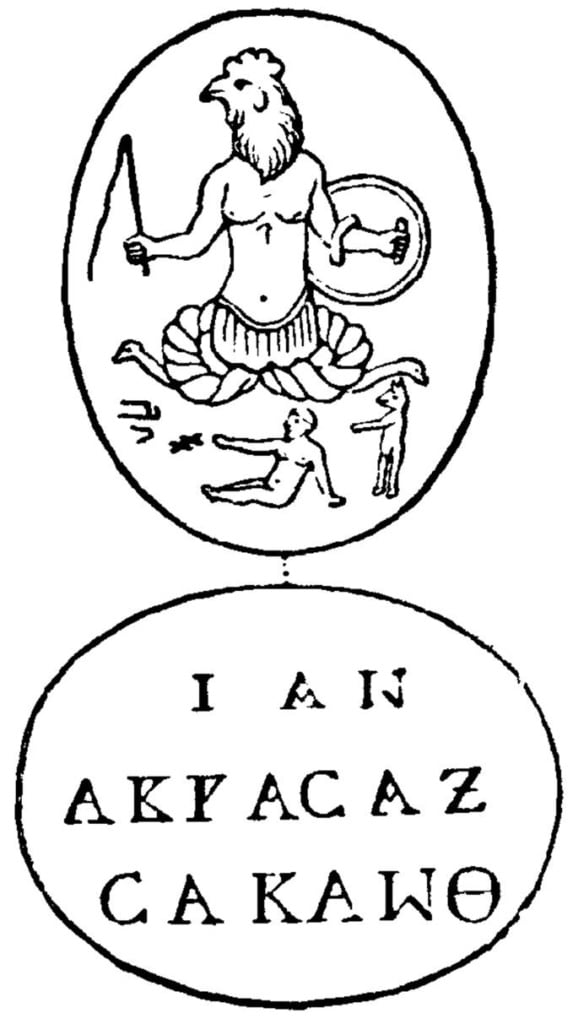
Source: Wikipedia. https://it.wikipedia.org/wiki/Abraxas
Hindu and Buddhist gods
Jung’s office was stuffed with pictures and sculptures from Asian religious traditions. He was mesmerised by tantric gods, which he interpreted as highly elaborate expressions of archetypal dynamics. For him, they weren’t just ethnographic curiosities, but sophisticated displays of mental life.
The images produced by Jung’s patients
Arguably Jung’s most significant and original collection of imagery is the series of drawings and painting produced by his patients during therapy. He kept hundreds of these and used them in his writing to show how certain symbolic forms spontaneously emerge in people from different cultures and backgrounds.
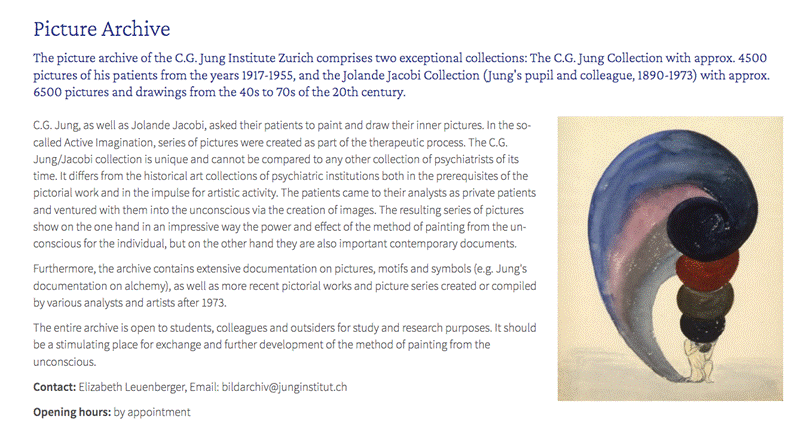
Source: https://junginstitut.ch/en/About-Us/Picture-Archive
Jung the visionary artist
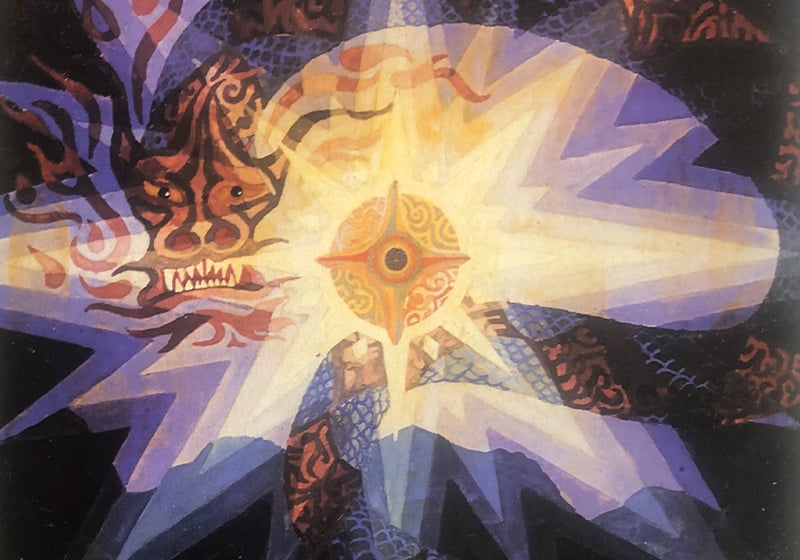
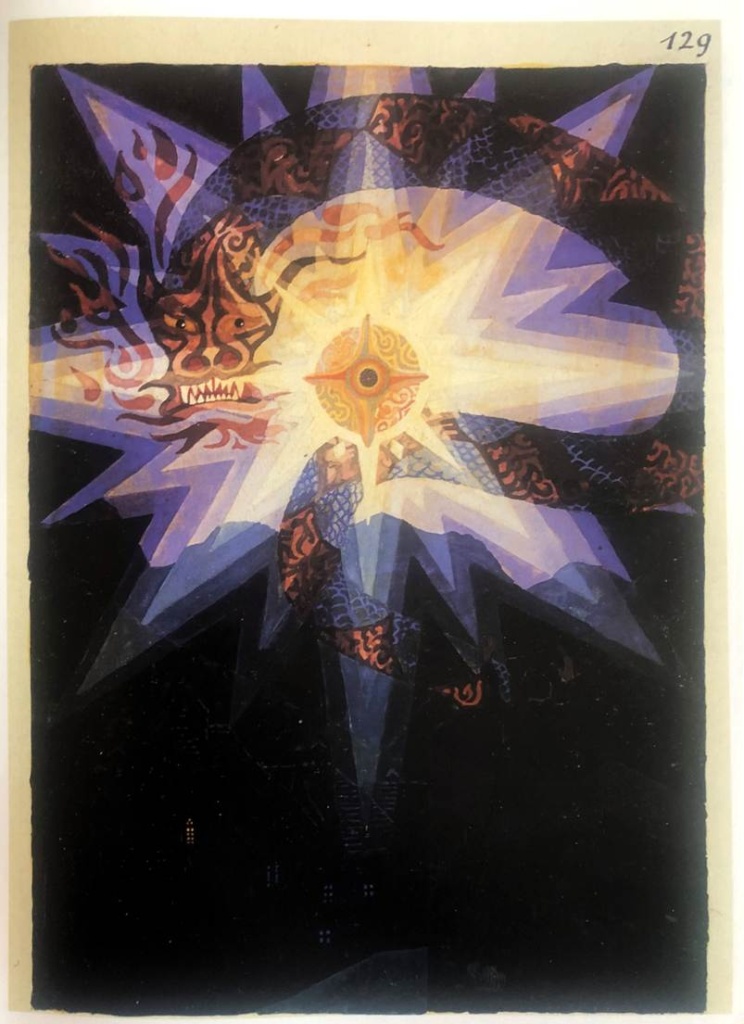
We can’t forget the images Jung made himself, often without showing them to anyone. His Red Book is a sort of illustrated diary of his personal journey in psychoanalysis. Started at a moment of deep personal crisis, the book contains mandalas, scenes rich in symbolism and paintings depicting fantastical architecture.
For him, these images weren’t works of art for public display, but the results of his own experimentation with the active imagination technique that he practised with his patients.
Conclusions: images as imagination
As we’ve seen, Jung’s work profoundly shaped the study of images over the past century, be it through the lens of aesthetics or psychoanalysis.
Jung believed that all images, whether fine works of art crafted by an artist or rough sketches created by a patient, reveal unconscious impulses and tensions. And, taken as a whole, they express a collective unconscious, which he set about codifying.
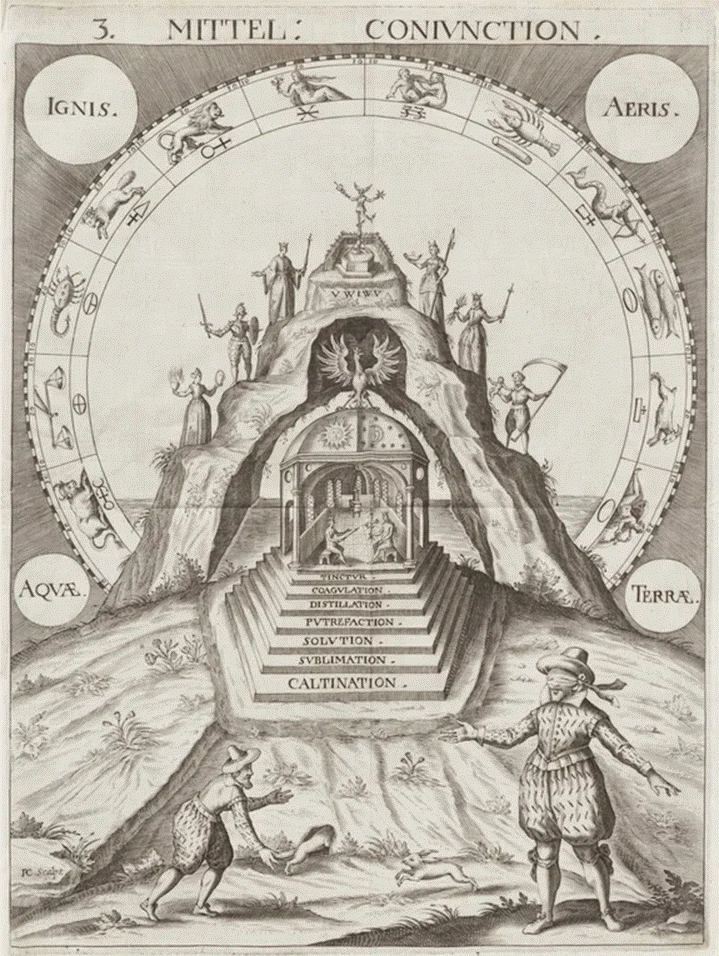
Source: https://publicdomainreview.org/collection/cabala-spiegel/
An image is what the human imagination creates when it tries to express what cannot be said with words.
In an era like ours, in a “society of images” where imagination is used to persuade and entertain, Jung reminds us that images serve a deeper, nobler purpose, and that they influence us whether we like it or not. But above all, he shows how each of us can create images, and how they make us think and seek greater self knowledge.