


Table of Contents
In the world of book marketing, publicising a new book and maximising a campaign’s impact demands expert use of various channels and promotional tactics. In the past, a couple of good reviews in newspaper culture pages was enough to promote an author. Today, however, a broad, cross-channel strategy is required to stand out in an increasingly crowded publishing market. Self-published authors and publishers have to juggle traditional analogue tools and digital channels to build effective storytelling around each work and to reach as wide and varied an audience as possible.
The aim is to bring the work into a cultural debate led by readers, writers, journalists, teachers, literary festival judges and other professionals in the world of publishing and culture, to increase the author’s visibility and – naturally – drive book sales.
Reading as a ‘collective ritual’
Reading used to be an individual pastime shared with just a few close companions. People would normally only discuss their favourite books with their friends and family, and the spread of literary recommendations by word of mouth was therefore fairly limited in scope. Today, however, reading has become a collective experience: people increasingly like to share their favourite novels on social media and in reading groups, and base their purchases on reviews by other users, bloggers and book influencers. Publishers’ press offices pay a lot of attention to the BookTok and Bookstagram communities, plan social media marketing campaigns, and agree deals with leading influencers. And for good reason: a single viral post on social platforms can take a book to the top of the sales charts in a matter of weeks.
Social engagement is therefore a key element in book publishing. And the boundary between the online and offline world is becoming more blurred, epitomised by the common sight of bookshop shelves dedicated to the most popular books on TikTok. The major literary festivals have also become more like promotional stages, designed to encourage visitors to take selfies or to host video interviews to publish on various platforms.
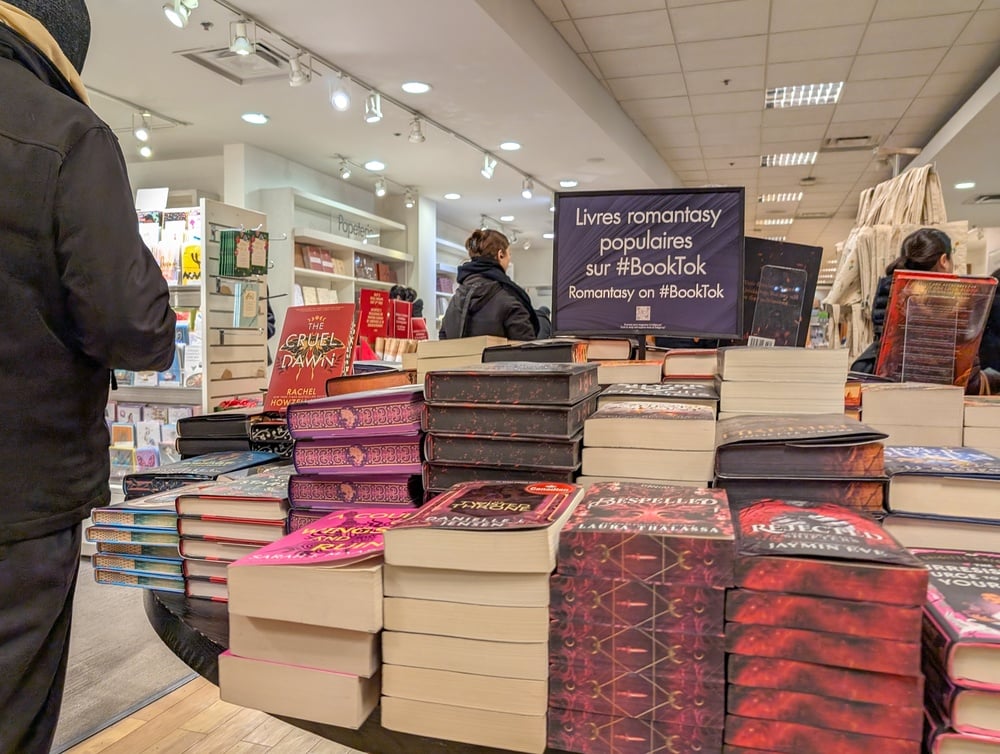
Book marketers inhabit a hybrid space that blends physical and digital environments to create a strong narrative that can reach both a niche audience and a wider readership. In this article we’ve gathered together some book publishing campaigns with particularly original and effective promotional strategies that generated excellent results in terms of both visibility and sales.
The global campaign for the book ‘Always Remember. The Boy, the Mole, the Fox, the Horse and the Storm’
Ebury Publishing launched a cross-channel campaign for Charlie Mackesy’s latest book Always Remember: The Boy, the Mole, the Fox, the Horse and the Storm.
Drawing on the themes explored in the volume – community, vulnerability and creativity – the campaign’s creators placed more than 50 ‘Mole Mail’ postboxes in bookshops around the world, inviting readers to post a message or drawing to the author. Independent bookshops also received an array of merchandise (wrapping paper, badges, bookmarks and stickers) as well as posters and display stands featuring the book’s evocative illustrations. The author’s world tour included a series of podcasts and interviews and appearances at several literary festivals. Notably, the publisher signed a partnership agreement with Bradford, the UK’s City of Culture for 2025, and invited local schools to a video screening and a drawing lesson with the author, with a copy of the book gifted to all schools in the district.
One of the most original launch events was undoubtedly held at the historic London department store Fortnum & Mason’s, where a space decorated with Mackesy’s illustrations was set up in the cafe. Visitors could enjoy a coffee and a slice of ‘Mole Cake’, a layered cake similar to the one described by the animal in the books, created specially for the occasion by Fortnum’s pastry chef Roger Pizey. The shop also sold a set of limited-edition objects inspired by the book: a ‘The Mole at The Parlour’ tote bag containing Mackesey’s book, a mole cuddly toy and a jar of strawberry jam.
The campaign – which received a Book Marketing Society award for the results it generated – employed both digital and analogue channels to perfection and achieved great media coverage and excellent sales results.
James Clear’s influencer marketing strategy
To promote his non-fiction work Atomic Habits – which we described in our article The Bestselling Books of 2024 – author James Clear devised a truly unique marketing plan that sought to achieve an ‘echo chamber’ effect around the world.
Well in advance of the release date, Clear compiled a list of 300 podcast hosts and identified those that were most relevant to the book’s theme, focusing on the ones that regularly hosted interviews with external contributors. He then sent personalised emails putting his name forward as a guest, connecting the topics dealt with in his book with the subjects discussed previously on each podcast. Finally, he asked the journalists who accepted his proposal to publish the interviews they recorded the same week as the book was launched. Using this technique, the author appeared on 75 podcasts during launch week and another 25 in the month following the book’s release.
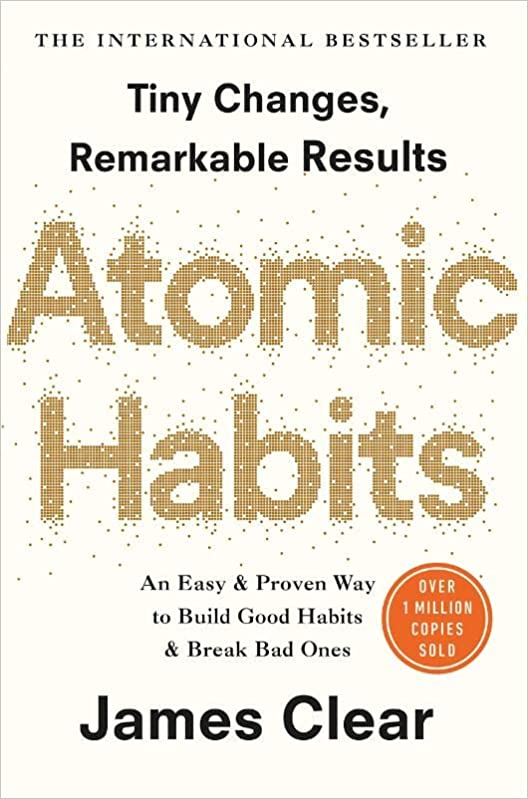
At the same time, Clear identified the categories of influencers who might be interested in his creation and contacted 30 for each niche. He then sent the manuscript to the contacts who had expressed some interest, using post-it notes to highlight the most relevant pages for each recipient’s community. Finally, he asked the influencers to publish posts about his book in the week the book launched, as a way of amplifying the campaign’s media coverage. If an audience niche showed particular interest, Clear expanded his research to similar groups by contacting other influencers. The author managed to send out 1,000 copies of his work using this strategy.
During the book’s launch week, the author also sent four or five emails to the contacts on the mailing list he had put together over the preceding months, sharing a TV interview and a free chapter of the book. He also offered extra content to people who bought one or more copies of the book, such as a private webinar or a secret chapter of the book.
By taking advantage of leading podcasters’ and influencers’ loyal audiences and making the most of his mailing list, Carter’s launch campaign succeeded in reaching a global audience in a very short space of time, while also building an image of the author as an authoritative and credible figure.
Gamification in book marketing
Gabrielle Zevin’s novel Tomorrow, and Tomorrow, and Tomorrow tells the story of Sam and Sadie, two friends with a shared passion for video games who grow up to become famous game designers. The book marketing campaign devised by the publisher Penguin Random House UK took inspiration from the book’s themes, and focused on nostalgic and retro 1980s and 1990s elements. The aim was to attract both video game fans and the general public using interactive digital content and striking physical installations that encouraged readers to get involved and share their activities on social media. The campaign’s various elements invited readers to immerse themselves in a creative world recalling the atmosphere of the novel: from designing a 1990s-style website and a tool for creating customisable avatars inspired by early video games, through to creating a real video game – EmilyBlaster – similar to the one invented by the book’s lead characters.
A branded Donkey Kong arcade machine was also installed at Waterstones bookshop in Piccadilly in London during the author’s tour, and a limited-edition version of the book was created with a box that looked like a 1990s DVD video game – a collector’s item that sparked a word-of-mouth frenzy on social media. All the printed materials, from bookmarks to press releases, contained a QR code that directed people to the website, aiming to increase the novel’s online visibility and enabling the launch of retargeting campaigns.
Penguin Random House UK’s coordinated UK and US social media strategy and its content centred on the world of gaming and the novel’s main themes gained over 2 million views of the book’s hashtags at the time it was published and over 6,000 unique views of the website from purely organic posts, winning it the Book Marketing Society Spotlight Award. Tomorrow, and Tomorrow, and Tomorrow was a New York Times and Apple Books bestseller, and Amazon named it the site’s best book of 2022. The New York Times listed it in its top 100 books of the 21st century so far, and it also won the Goodreads Choice Award in the fiction category. This campaign shows how a well-calibrated mix of digital media and physical assets can describe a book in a fun and original way, and increase its visibility by encouraging spontaneous engagement from its audience.
Book marketing today requires a good dose of creativity, a deep knowledge of the target audience and mastery of both analogue and digital channels if it is to reach readers and effectively and engagingly publicise the work. Artificial intelligence and augmented reality can provide new ways of optimising costs and increasing the effectiveness of book marketing campaigns, but the creativity, sensitivity and experience of publishing professionals is essential to their success.