



Table of Contents
What does the future hold for the paperback book?
That’s the question we asked in a recent blog post tracing the long history of this iconic format. Sixty years ago, paperback books promised to spread knowledge around the world to anyone who could read. Today, they seem to have lost their appeal.
But have they really? To check on the health of paperbacks, we got in touch with one of Italy’s leading authorities on publishing. Roberto Cicala teaches at the Università Cattolica in Milan, as well as the University of Pavia, where he heads the Master’s in Publishing. He’s also the author of several well-regarded books on the publishing world.
In this wide-ranging interview, he tells us about paperbacks today, how readers’ habits have changed, and the opportunities offered by alternative formats like deluxe and limited editions.
It’s a fascinating read!

Roberto Cicala, what’s the current state of health of paperback books around the world? Are there countries where they’re particularly popular or enjoying a resurgence?
So-called mass-market paperbacks are extremely popular around the world, but with different patterns of consumption. There’s no single trend. Printed books still have the upper hand over digital ones (between 60% and 80% of the market), and paperbacks have always dominated hardbacks in numbers terms, but they’re losing the central role they enjoyed during the post-war boom.
So paperbacks are in relatively good health, but it’s fair to say it’s fragile, and fares better or worse depending on the climate.
There’s more and more talk of a “paperback crisis”. Is there really a crisis? If so, what does this look like, and what are the reasons behind it?
The paperback’s fluctuating fortunes – which at times verges on crisis – is down to social and economic factors. Look at the Italian market over the past year: according to data from the AIE (Associazione Italiana Editori – Italian publishers’ association), revenue is holding up, but this is mainly due to price hikes, albeit modest ones compared to inflation. But what we are seeing is an erosion in the paperback’s traditional competitive advantage, price, because there’s less of a difference with hardback editions. The public has noticed and no longer seems willing to cross a certain psychological threshold, around 15–18 euro, for an edition that isn’t produced using premium materials, as is often the case with paperbacks.
Still, the paperback crisis is not a sudden collapse, but rather a loss of its central role, which shows up in a variety of ways. One is less visibility in bookshops, where there’s a high turnover of new releases, driven by promotional events. Paperbacks need longer and are less suited to this hit-and-run business model. Another factor is Amazon’s domination and aggressive pricing of many bestsellers. These newer titles with higher-quality bindings are sold at such steep discounts that they’re squeezing traditional paperbacks, which are stuck with set prices that keep creeping up. The ever shrinking price gap between paperbacks and other formats is pushing readers towards books that don’t cost much more, but feel like they’re better quality.
On top of this, there’s digital piracy in today’s multi-format market, where competition comes from new ways of reading: audiobooks and podcasts, for example, are booming.
Is the loss of this central role that you’re describing a uniquely Italian phenomenon, or is it international, too?
Beyond our borders, the mass-market paperback is in trouble in America (down almost 15% in just a year), where for some channels it only accounts for 5–10% of the trade market (sales to bookshops). Faring better are trade paperbacks, paperbacks in a larger and better-quality format. But, as I said, e-books and audiobooks are eating into traditional paperback sales.
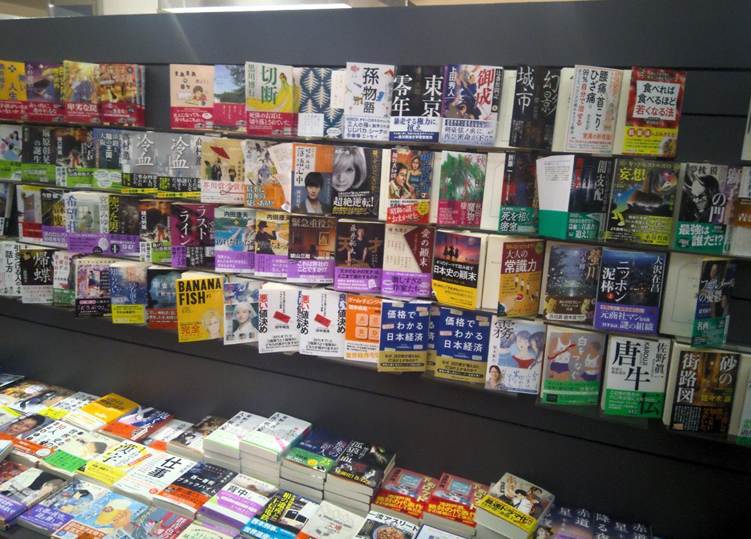
That said, paperbacks are still going strong in Japan, where sales of compact editions (especially light romance novels based on manga) keep growing. Known as bunkobon, this format is everywhere and deeply rooted the country’s culture. The paperback is also surviving in France, birthplace of “livres de poche”, though it’s a smaller market. Norway’s another positive example. And in Latin America, its affordability has helped spread this popular but “slow” publishing format.
So we’re not talking about a distinction-level event, but a transformation in role, readership and business model.
Is there a paperback series that you believe truly defined an era, in Italy or elsewhere? Could such a success be repeated today?
In Italy, we all think of “BUR” (Biblioteca Universale Rizzoli) and the “Oscar” series. Launched in 1949, when Italy was rebuilding after the war, BUR titles were bound in grey yet elegant covers set in Bodoni type; Oscars, with their covers that could pass for movie posters, were even sold on newsstands. Elsewhere, everybody thinks of Penguin Books (launched in the UK in 1935), which actually borrowed the model pioneered by Albatross Books a few years earlier and were published in Italy by a group of European publishers including Mondadori. Some fun facts: originally, BUR titles were priced at 50 lire per 100 pages, and the format was based on a German series, “Universal Bibliothek” published by Reclam in Leipzig. In Italy, the legendary “Biblioteca Universale Sonzogno” was a forerunner to BUR.
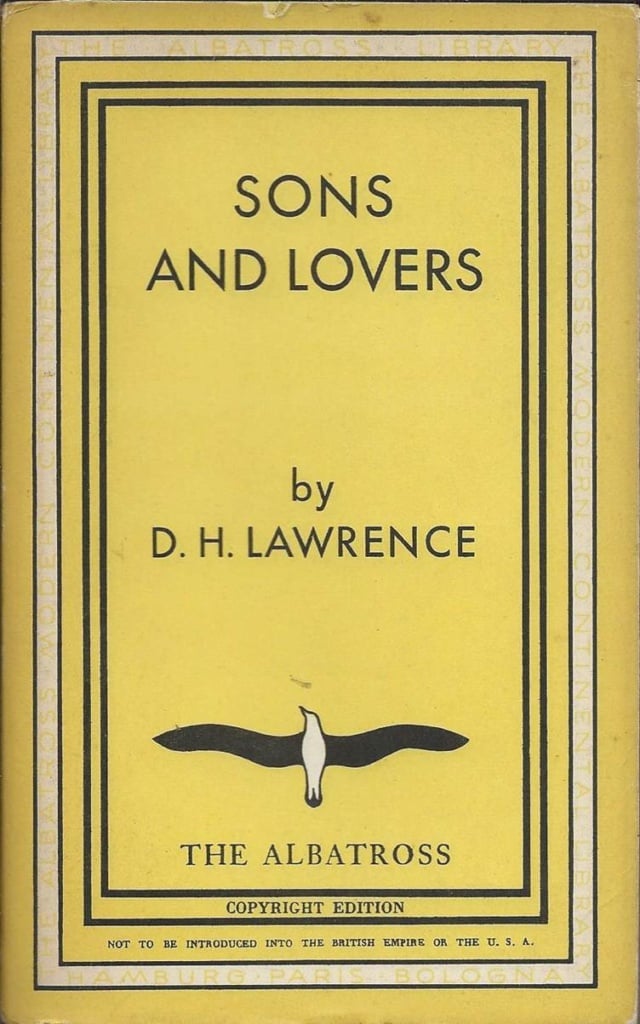
These series played a crucial role popularising in books as affordable, pocket-sized products. They helped to bring both classic and contemporary authors to a mainstream audience and encouraged reading by taking books out of bookshops and into newsagents and other mass-market outlets.
That said, the concept of the paperback is not disappearing, but it is being redefined.
Some publishers are focusing heavily on deluxe and limited editions as a way to extend the life cycle of bestsellers – something that was once the exclusive preserve of paperbacks. Can you give us some examples?
This trend is a creative response to the challenges of a market that’s struggling to grow, except for three genres: romance, fantasy and graphic novels.
And it leans into the book as a physical object. We tend to judge a book’s value by its outward appearance: details like thickness and production quality give us a tangible idea of its intangible content – the words inside. That’s why readers shun paperbacks if they cost a lot but use cheap materials. So publishers are using deluxe and limited editions to extend the life cycle of bestsellers and the books they care about most, a role that was once played exclusively by paperbacks.
These deluxe versions – aimed at collectors and fans – are often released as numbered editions in limited print runs. They’re usually printed on premium paper and might feature artistic extras, embossed or hot stamped covers, and decorated or coloured page edges. They’re not always fine-quality hand-crafted products, but that’s the idea.
Once upon a time, limited print runs were just for art and poetry books (think of Scheiwiller’s “All’insegna del Pesce d’Oro” series, much coveted by bibliophiles). Some printers continue this tradition, like Alberto Casiraghy (through his “Pulcinoelefante” publishing house), who releases limited print runs of just 30 or so copies. Numbering only a handful of pages and featuring original artwork, these are meticulously crafted books. Other noteworthy printers include Henry Beyle and, those masters of handset, movable-type printing, Tallone.
Today, these strategies are a way to add value to a book and differentiate it from other titles by moving beyond the traditional sales cycle of the mass-market paperback or trade edition. They apply to bestsellers, too, which no longer have to rely on sales of high-volume mass-market editions, but can now generate extra revenue and sustain interest by tapping into demand for scarcity and quality, and the passion of collectors. It’s fair to say that these deluxe editions have partly taken on the traditional role played by paperback publishers in the long sales cycle of books.
Deluxe editions also seem to be designed for showing off on bookshelves, on social media, in videos made by content creators. How important are a book’s identity and appearance today? And how does social media influence the strategies adopted by publishers?
There’s no denying that socials (especially BookTok) are helping to breathe new life into backlists, not just for paperbacks, but for deluxe editions, too. There have been cases where sales of old titles have spiked 100 or even 500-fold, allowing publishers to cash in for a second time on a book that has already been a viral hit.
A great international example is the mania for Fourth Wing, the 2023 romantasy written by American author Rebecca Yarros, and the first title in her Empyrean series: one first edition had edges sprayed with decorations, which some commentators say kicked off the trend.
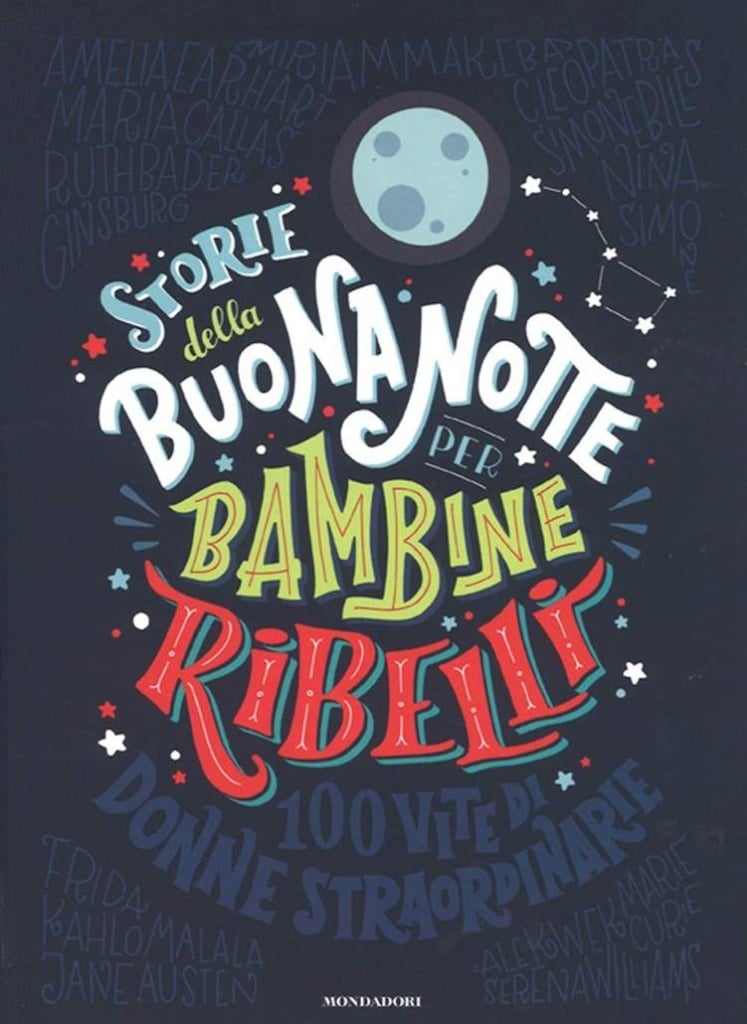
Social media played a different but no less important role in the success of Good Night Stories for Rebel Girls: social media and crowdfunding were crucial to the book’s development, and the authors used innovative strategies for digital engagement.
Do you think that deluxe editions will become as beloved by readers as the most successful paperback series? And can they deliver the same profit margins to publishers?
I don’t think that they’ll achieve the same reach, popularity or profitability as did the millions of copies sold in the 20th-century paperback revolution. Still, it’s a trend to watch, even if only out of curiosity: over the past 20 years or so, we’ve seen reading habits shift, becoming ever more occasional and fragmented, with ever more attention paid to new releases, “event” titles and influencer-driven books. So the paperback, tied to the backlist, is losing its symbolic appeal.
But now we’re seeing “premium” paperbacks with better-quality materials, slick graphic design and a more upmarket positioning that has them competing with hardcovers and e-books. And this second strategy (as developed by the “Oscar” series, for example) is bringing the Italian market into line with the global trend for deluxe/collector’s editions .
If the paperback is no longer as affordable and people are willing to pay more for a deluxe edition, does that mean the value readers place on books has changed? Has it perhaps improved?
That would be nice, but I don’t think so. Recently, Romano Montroni rightly put his finger on the real enemy of reading in Italy: the “loss of social standing suffered by books over the last few years”. The problem lies not only in social habits, but national cultural policy and government investment, too, which is piecemeal and not enough. To turn things around, to make reading feel pleasurable, natural and essential, we need to start with the people behind the books and the passion they pass on when editing a manuscript, designing a cover, writing a press release, selling a book: “if the publisher’s job is to create desire publishing books, the bookseller’s is to make the bookshop the place where these desires come alive”.
And if in future books are also produced in online communities, we need to embrace a new digital humanism, keeping in mind the observation Giangiacomo Feltrinelli made on the eve of ‘68: “a publisher can go about his work with a highly risky hypothesis: that everything, absolutely everything, must change and will change”.
It’s not the end, but a transformation, a new beginning.