


Table of Contents
The words visual designer bring to mind a modern professional, a cross between a graphic designer and an artist who works in UX, branding or multimedia marketing. But the term is actually far older, dating back to the design debates that raged between the wars.
Italy, 1983. A major exhibition is being held tracing 50 years of visual communication. Titled Visual Design, the show marks perhaps the first time in the country that graphic design has been viewed as art, rather than just a commercial product. This has already happened in other European countries, but not in Italy: until now, only industrial design, fashion and architecture had been elevated to this status, but modern visual design languages were still considered technical but not artistic disciplines, to the point of being ignored by academic study and aesthetic criticism (understood as philosophical enquiry rather than taste-making).
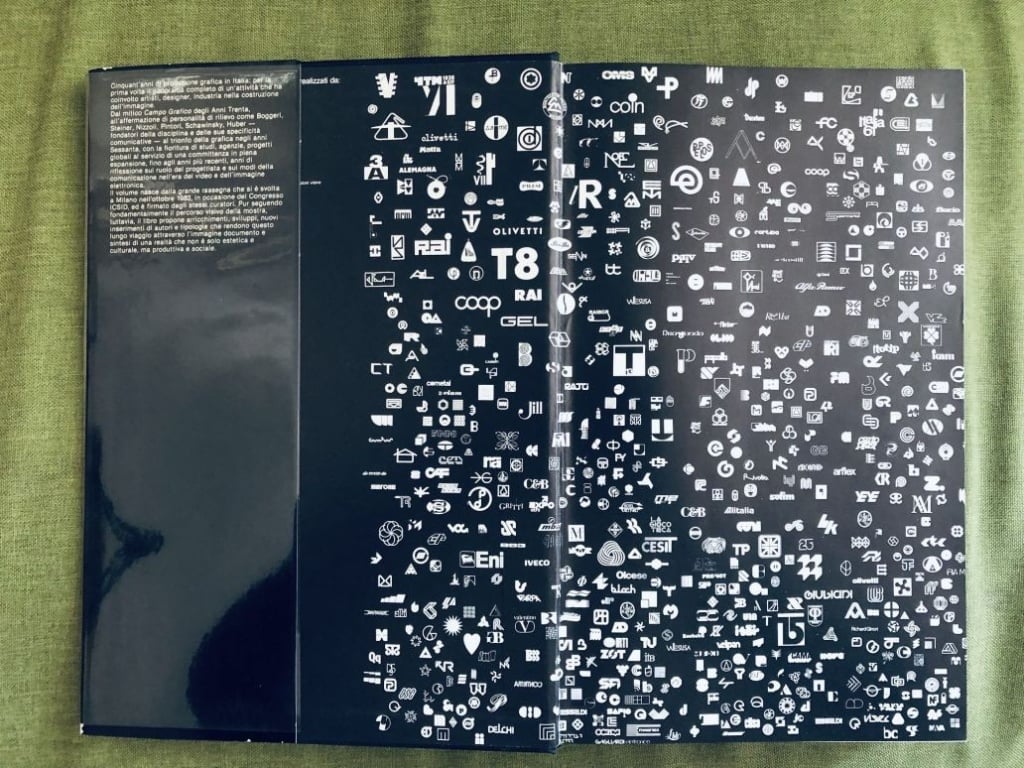
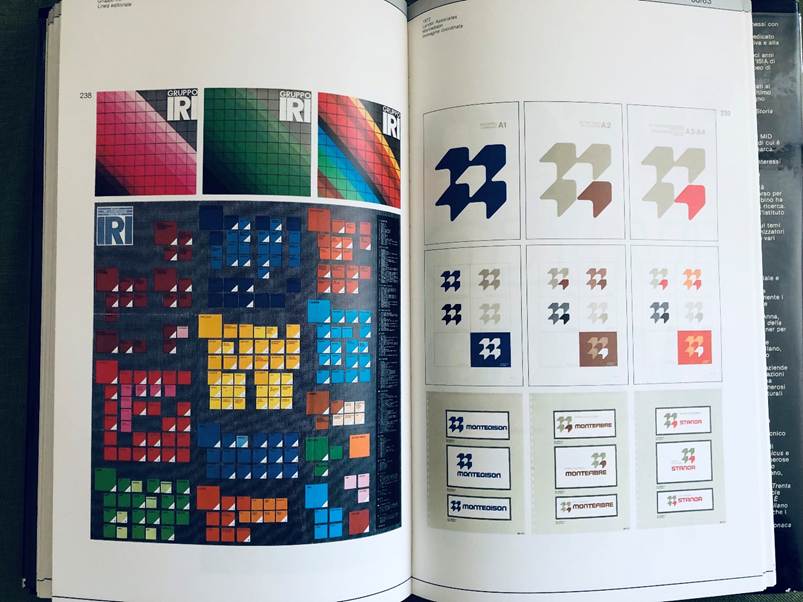
Publisher: ideaLibri. Year: 1984. Courtesy of the author.
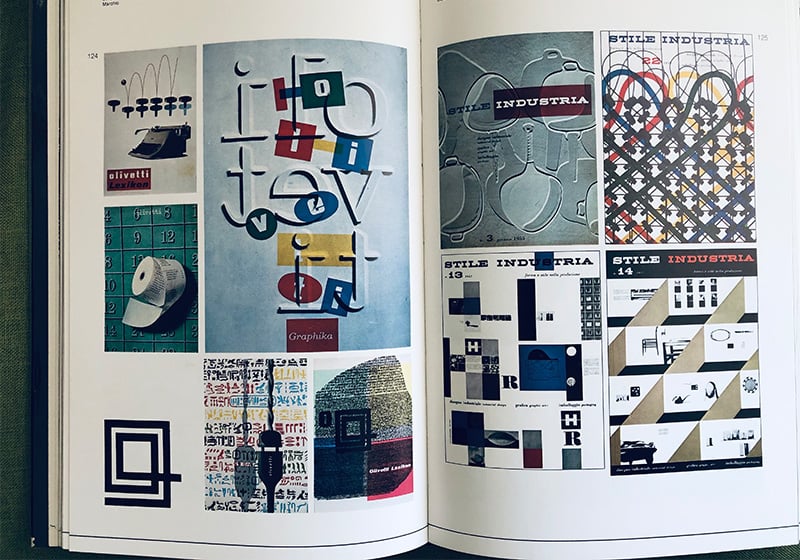
The exhibition – from which we which we reproduce a selection of catalogue images below – signalled a turning point in how the graphic designer was perceived in Italy: no longer merely a cultural worker confined to publishing or theatre, nor an artist who just creates posters or logos, but a new breed of professional skilled in devising and designing artifacts for visual communication, a master of production methods and technologies, a sort of Da Vincian thinker lauded by the likes of Italian art critic and design theorist Gillo Dorfles for their ability to influence society through their work.
Dorfles, who wrote the introduction to the show, as well as a short essay for the catalogue, did not use visual design in the reductive sense that it would acquire decades later in the digital era, but situated it within a broader theory of modern visual culture. For him, visual design did not simply mean advertising design (as the uninitiated in Italy still call it today), but encompassed the whole visual world that industrial society had built in the preceding century.
In the 1950s and 1960s, this idea emerged in the critic’s writing on the relationship between art and industry, as well as the transformation of contemporary taste. Indeed, Dorfles was one of the first Italian intellectuals to view visual design, architecture, fashion and communication as part of a single socio-aesthetic ecosystem.
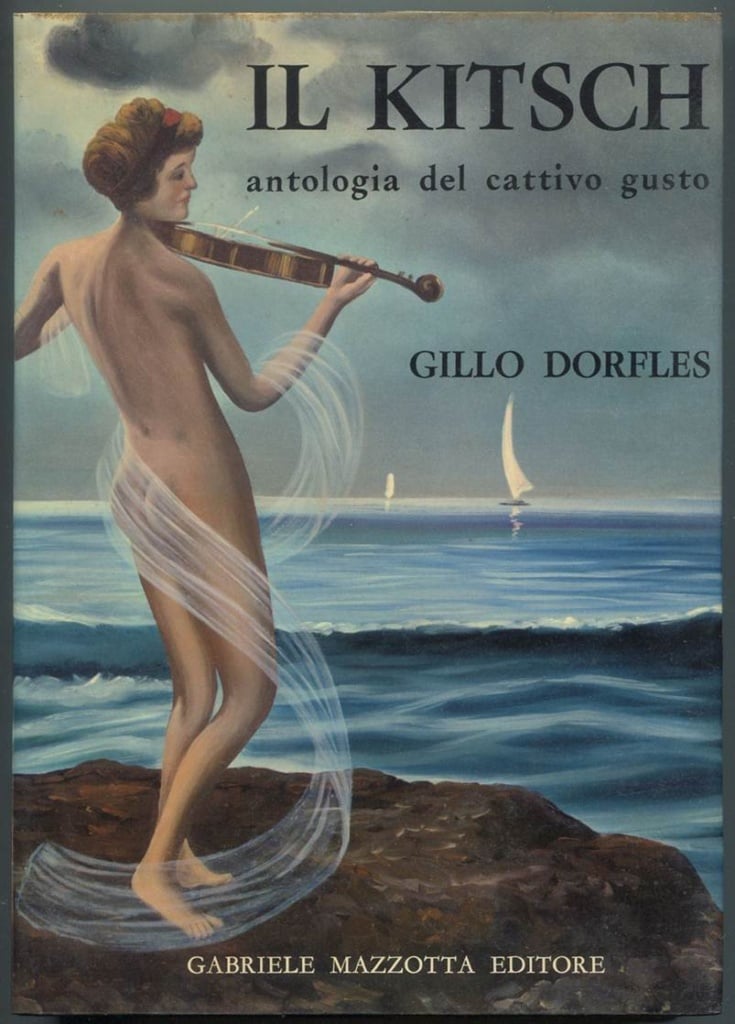
But it was in his most celebrated work, 1968’s Kitsch: The World of Bad Taste, that he first defined this aesthetic category.
In today’s post, we’re going to compare and contrast Dorfles’s definition of visual design – so pivotal in re-evaluating the role of graphic designer and its impact on communication in Italy – with those found in other European countries. And we’ll see how each culture has its own particular way of understanding visual design.
The Italian definition: from implementation to origination
The catalogue for the Visual Design exhibition, which includes some magnificent Italian examples, traces the broadening of this design practice back to the 1930s. At the time, Italian typographers were exhorted to follow their French counterparts and “urgently consider the question of collaboration with the artist […] in order to cultivate a modern typographical consciousness in Italy.” (quote from the essay “Presupposti di collaborazione con l’artista” (Prerequisites for collaboration with the artist) in Campo Grafico, 1933).
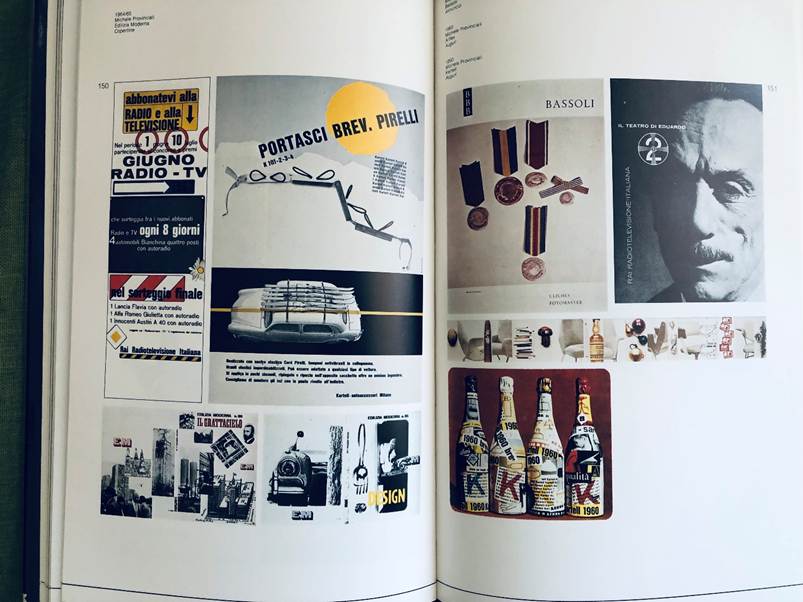
It was Campo Grafico, the experimental design magazine founded by Attilio Rossi and Carlo Dradi, that first embodied the concept of visual design in Italy – albeit unwittingly – by working with multi-talented creatives like Bruno Munari, Fortunato Depero, Max Huber and others, and by practising a sort of overarching visual communication design.
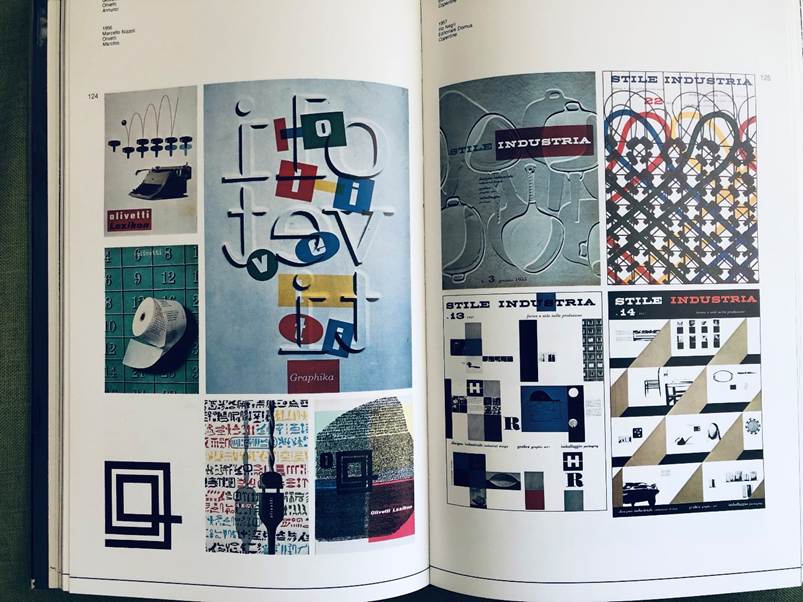
Publisher: ideaLibri. Year: 1984. Courtesy of the author.
In his introductory essay to the exhibition, Dorfles says plainly that the English term visual designer can simply be translated into Italian as grafico, little imagining how much this definition would become devalued and misunderstood, even by practitioners themselves.
Dorfles wanted to rehabilitate this profession, seeing it as a cross between painter and designer. Interestingly, he highlighted how, despite the creativity and noteworthy achievements of Italy’s designers, the country offered few outlets for visual design, which remained marginal and little used. And he drew a contrast with neighbouring Switzerland, where a particular style of visual design had become a marker of national identity.
Dorfles also stressed the important role that visual design plays in shaping the tastes of an entire population by incorporating artistic elements and transforming them into artefacts of communication.
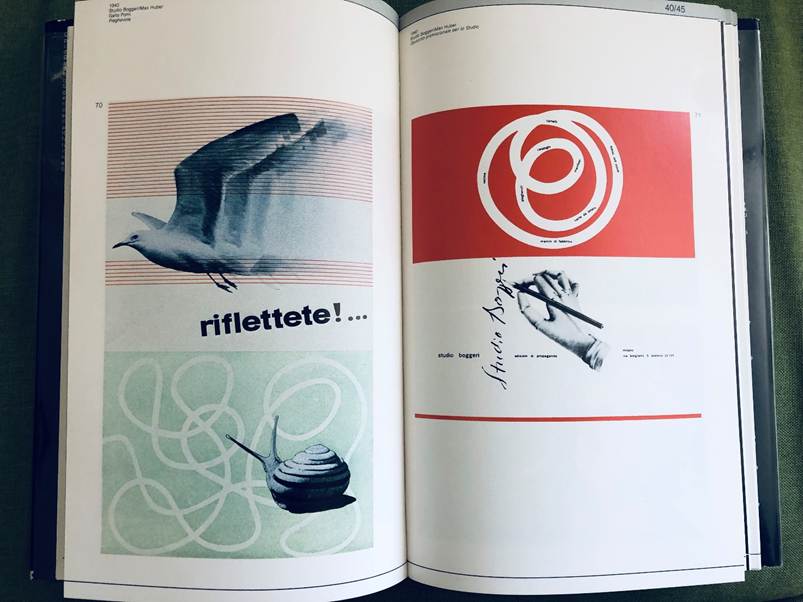
Publisher: ideaLibri. Year: 1984. Courtesy of the author.
The notion of visual designer is an inclusive one that does not just refer to graphic designers, but also designers of visual artefacts more broadly.
According to Dorfles’s definition, the following professionals can be considered visual designers:
* Graphic designers
* Illustrators
* Editorial designers
* Exhibition designers
* Communication designers
* Art directors
* Brand identity designers
* Specialists in signage, exhibition spaces and information systems
- Video designers, motion designers and interaction designers
- Data visualisation designers
- Web designers and UX designers/developers
- And in future, we may have to add to the list hybrid roles like service designer, visual thinker, system thinker and design thinker, all of which fall somewhere between consulting and design.
Dorfles sees visual design as an umbrella term for all disciplines that produces a visual output, whether it be used for communication or wayfinding, cultural activities or aesthetic experience.
It’s an important distinction, because a graphic designer is someone who mainly works in a two-dimensional space, while a visual designer – at least in Dorfles’s theoretical tradition – is concerned with creating an overall visual experience.
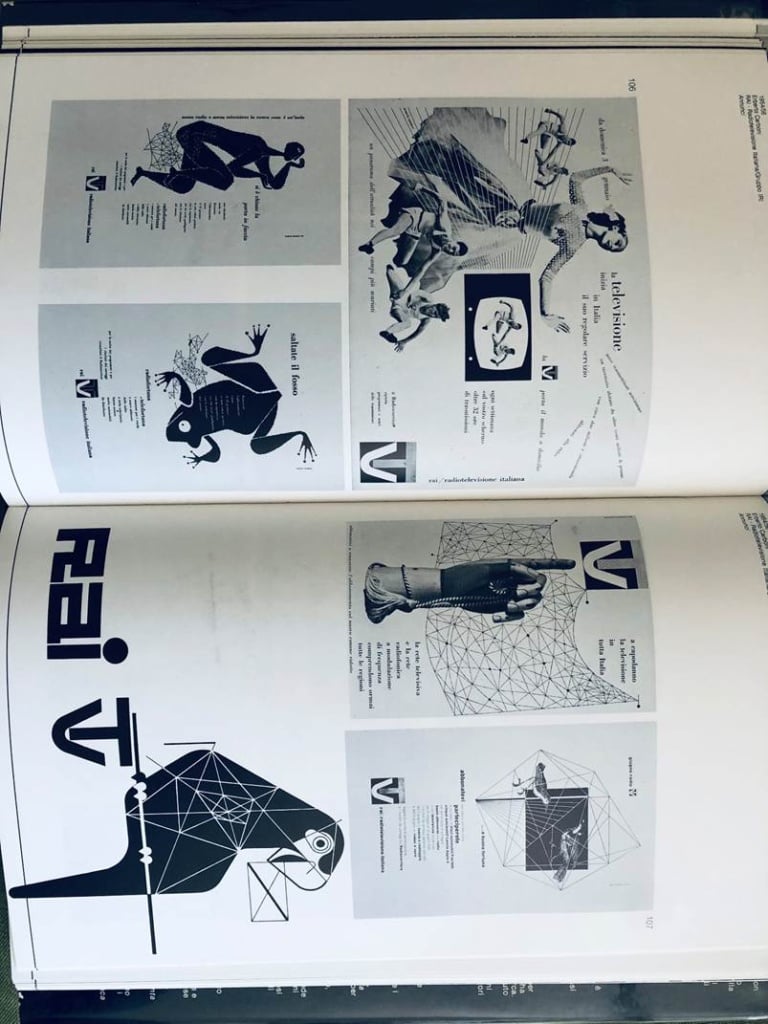
That said, there have always been graphic designers with a broader vision of their work.
Publisher: ideaLibri. Year: 1984. Courtesy of the author.
Dorfles was ahead of his time in recognising a systemic vision of design that connects the practice to its social context, viewing the phenomenon through a psycho-social and anthropological lens.
Visual design, industrial products, fashion and architecture all help to shape what he called contemporary “taste”.
This was quite different to the purely “functionalist” approach of classical modernism, where aesthetic artefacts were judged based on their function, and which meant that a poster could never be considered a work of art. Dorfles quickly grasped that the late 20th-century was no longer dominated by function, but by the continuous production of images, signs, symbols and visual rituals; his thinking developed the thesis set out by Walter Benjamin in The Work of Art in the Age of Mechanical Reproduction.
Publisher: ideaLibri. Year: 1984. Courtesy of the author.
Dorfles, who trained as a psychiatrist, shifts the focus onto what happens to human beings when they live immersed in the endless output of industrial aesthetic forms. He intuited that consumer societies lead to a permanent aestheticisation of our existence, something we’re all too aware of today. Indeed, viewed from the selfie era, Dorfles’s writing now seems sadly prophetic.
In Italy, then, it wasn’t until the 1980s that debate began in earnest on the importance of visual design. This was in no small part down to efforts to recognise and raise the status of visual design by the ADI (Associazione Design Industriale – Industrial Design Association), which Dorfles helped to found in 1956. The ADI has always sought to highlight how communication design is an integral part of design culture, even if it only produces visual rather than physical objects. It may have been the ephemeral essence of visual communication that made it appear less important and worthy than industrial design or architecture, at least in Italy.
In a country so attached to the artistic traditions of the past, graphic design has always been seen as painting’s poor relation, dismissed at best as an early avant-garde experiment alongside the likes futurism or Dada.
Publisher: ideaLibri. Year: 1984. Courtesy of the author.
The view from other European countries
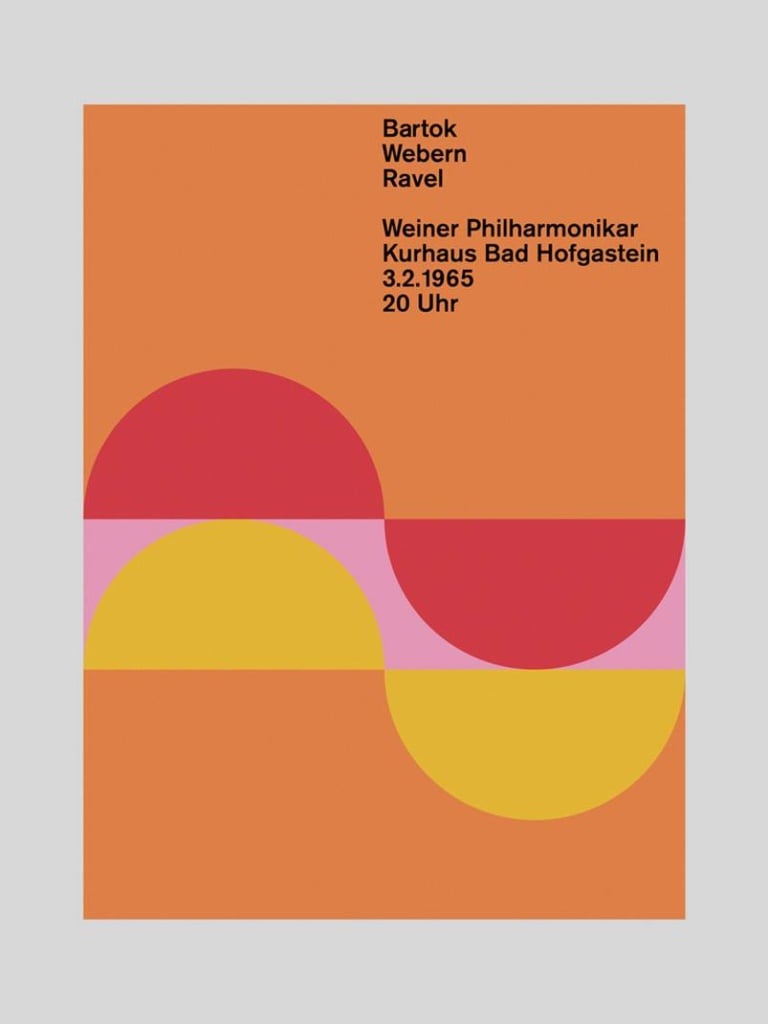
In Germany, the equivalent definition grew out of concepts such as “Visuelle Gestaltung” (visual layout) and Grafikdesign (graphic design).
Source: https://en.wikipedia.org/wiki/Ulm_School_of_Design
Contemporary German design tradition was forged within the walls of the Bauhaus and later Ulm’s Hochschule für Gestaltung (HfG – School of Design). In these innovative institutions, visual design was elevated in status from decorative craft to rational system for organisation information.
Unsurprisingly, some of the most influential figures in information design have been German: Otl Archer, co-founder of the HfG and the man who, as lead designer for the 1972 Munich Olympics, devised its iconic pictogram system; Dieter Rams and his quality minimalism; or encyclopaedic type designer Erik Spiekermann, founder of FontShop.
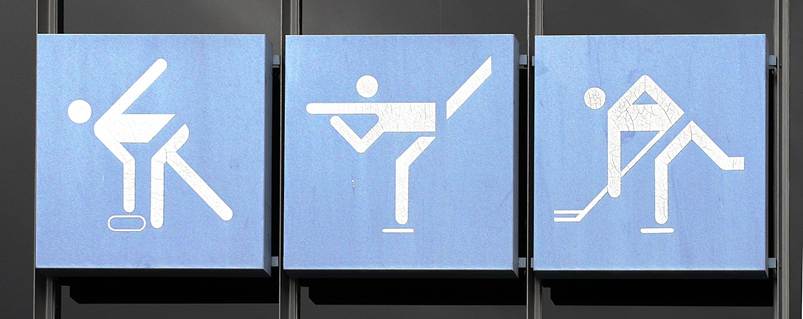
What’s more, in Germany, the role of Kommunikationsdesigner (communication designer) encompasses far more than just graphics to include visual messages, information systems, typography, signage, corporate identity and communication environments.
Whereas in Italy architecture and industrial design have long dominated the discourse on visual design, in Germany there is a more functional approach, with industry rather than cultural institutions setting the terms of debate.
Source: https://fr.wikipedia.org/wiki/Affiche
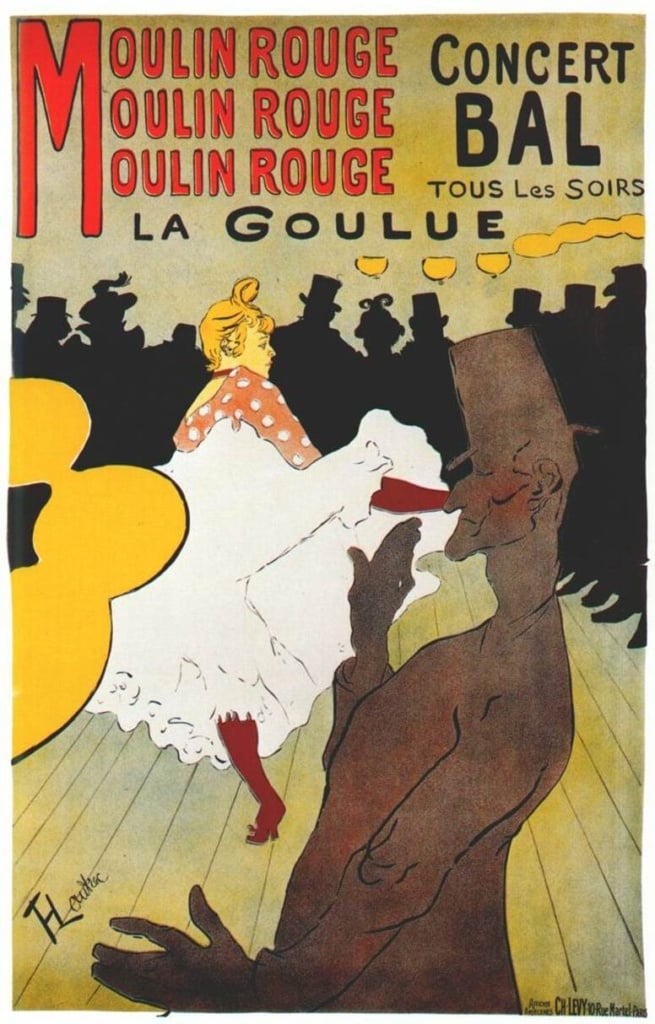
In France, the birthplace of art deco and the nation of choice for poster designers and painters, contemporary visual design grew less out of industry and more out of graphics, advertising and publishing culture. Furthermore, French public and cultural institutions proved to be enlightened patrons, embracing innovative graphic identities and communication systems. A case in point is the Louvre’s graphic identity system – unveiled in 1989 while the museum was restructuring and building its glass pyramid – for which Pierre Bernard and the Grapus collective devised a visual signature that that gave a nod to the museum’s architecture while delivering a textbook lesson on how to add a photographed element, in this case the sky, to a logo.
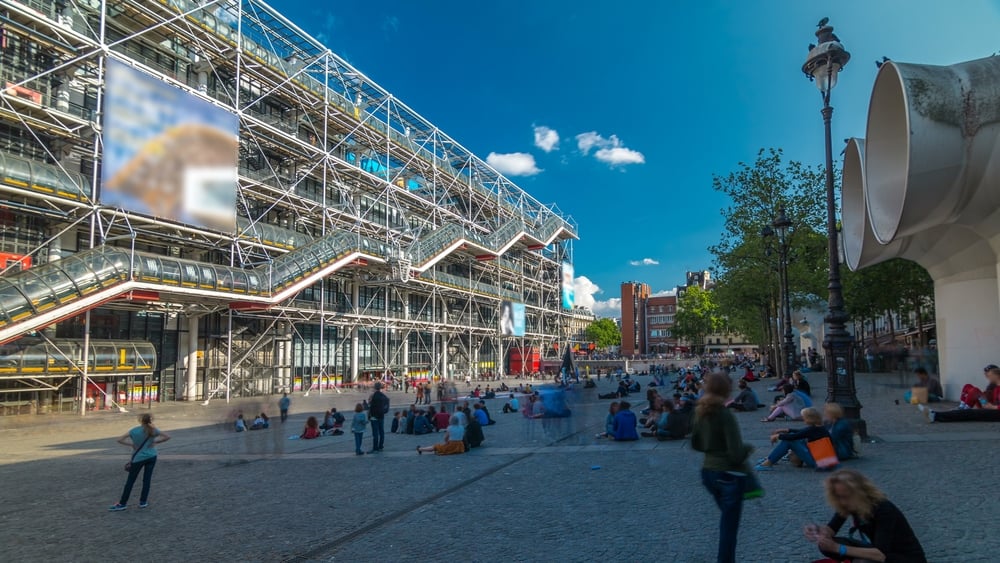
A decade earlier, another iconic Parisian museum, the Pompidou Centre, had adopted an even bolder visual identity, which incorporated Renzo Piano and Richard Roger’s innovative building into its graphic design. The team behind the project was lead by Jean Widmer, an exponent of the Swiss school that profoundly influenced graphic design in the 1960s and 1970s and whose cold minimalism we still struggle to escape today.
French designers have always pursued an anarchistic and artistic vision, resulting in visual innovation and experimentation, like the output of the aforementioned Grapus collective, in which political consciousness is an integral part of meticulous design work.
In Spain, the old term “diseño gráfico” still dominates, but since the 1980s and 1990s “diseño visual” has gradually entered the lexicon, too. This shift in language parallels the country’s modernisation in the post-Franco era and the emergence of strong urban cultural identities, particularly in Barcelona.
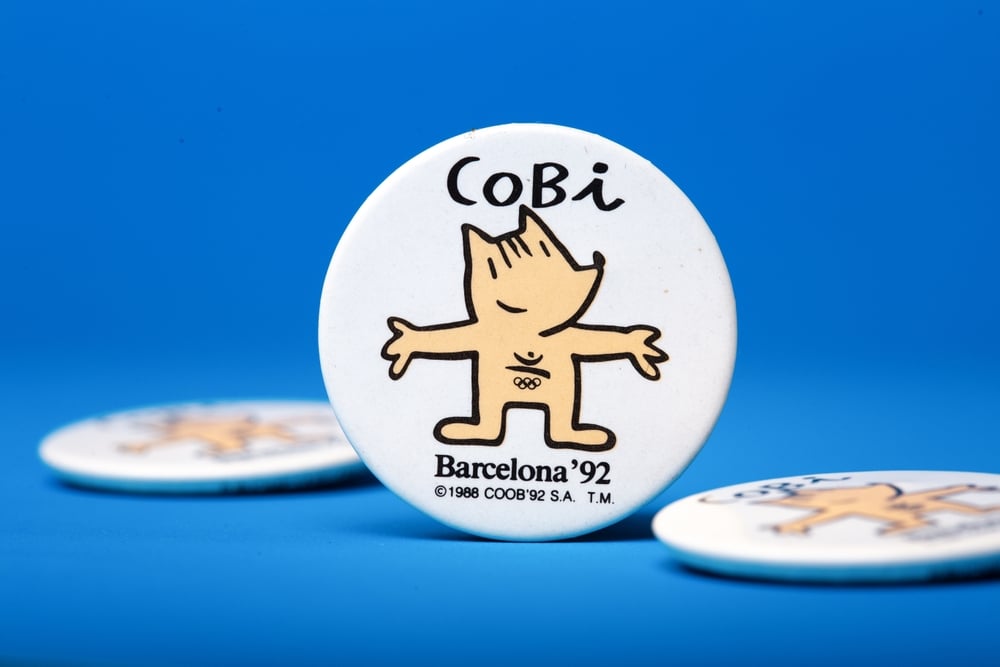
Indeed, it is an eclectic Catalan designer who perhaps best embodies the spirit of Spanish visual design: Javier Mariscal. He uses a playful mix of drawing and design, humour and rigour to create eye-catching visual communication.
Mariscal is best known for his work on the 1992 Barcelona Olympics, a defining moment that showed how European visual design could be a multi-faceted discipline in which German and Swiss rigour meets the fun of the comic book (think Cobi, the Olympic mascot) and graphic inventiveness of Picasso and Mirò.
The Spanish see the visual designer as a cross-cutting role in which originality is prized and design rigour goes hand in hand with the artistic and artisanal; these singular traits are down to the weaker influence of industry (compared to Germany, France and Italy), which gives visual design more freedom for playfulness, especially at public institutions, major museums (of which there are many), theatres and foundations.
Source: Shutterstock ID 2439207597
Visual design: an English term defined in Europe
Given the English language’s domination of modern design terminology, you could be forgiven for thinking that the concept of visual design was born in the UK or the US. But, in fact, it’s the fruit of a far-reaching discourse that stretches from Spain to Germany, from aesthetics to sociology: French thinking on semiotics and philosophy, German redefinition of design culture (from Dada to Bauhaus and the Ulm school) and Italian aesthetic theory set out by the likes of Dorfles.
For its part, the UK has long seen the design professions, from graphics and typography to industrial design, as key drivers of economic growth and social development, so much so that in 1944 the government set up the Council of Industrial Design to “promote by all practicable means the improvement of design in the products of British industry”.
Now known as the Design Council (www.designcouncil.org.uk), today its mission is to be the “UK’s national champion for design”. This means promoting the value of design in all its forms, including visual design, as well as shaping public policy and supporting economic growth.
The concept of visual design came of age in Britain during the 1960s and 1970s, led by forward-thinking institutions like Central Saint Martins, the Royal College of Art and London College of Communication.
Equally important was the nationwide network of art schools that created fertile ground for the cross-pollination of visual design with theatre, music and conceptual art, and with it the blossoming of pop culture.
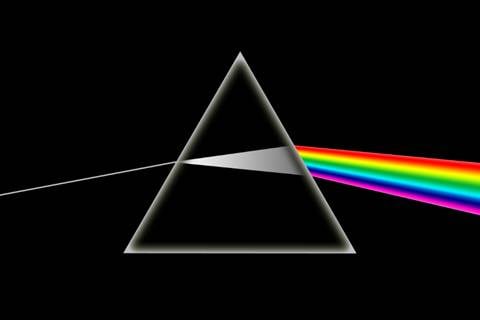
Famous art school alumni from the era include David Bowie, who attended Croydon College of Art; Brian Eno, who studied at Winchester School of Art and went on to form Roxy Music, before embarking on a successful solo career, all while continuing to practise visual art; and Storm Thorgerson, a graduate of the Royal College of Art who co-founded of Hipgnosis, the legendary design agency behind many of Pink Floyd’s most memorable album covers.
Of all European nations, the UK is arguably the place where visual design has produced the most eye-catching results, at least in the popular imagination, thanks in no small part to a serious investment in the discipline and, crucially, its happy marriage with pop culture.
Visual design or graphic design?
With the blurring of boundaries between different media and methodologies in contemporary visual communication, it can be tempting to call everything visual design. Yet we should only use the term when we’re talking about a project or vision for the creation of an entire visual system rather than just an individual artefact.
In an age where much of life is mediated through the screens of digital devices, visual design is more important than ever, promising the power to influence the collective imagination with its blend of art and design .
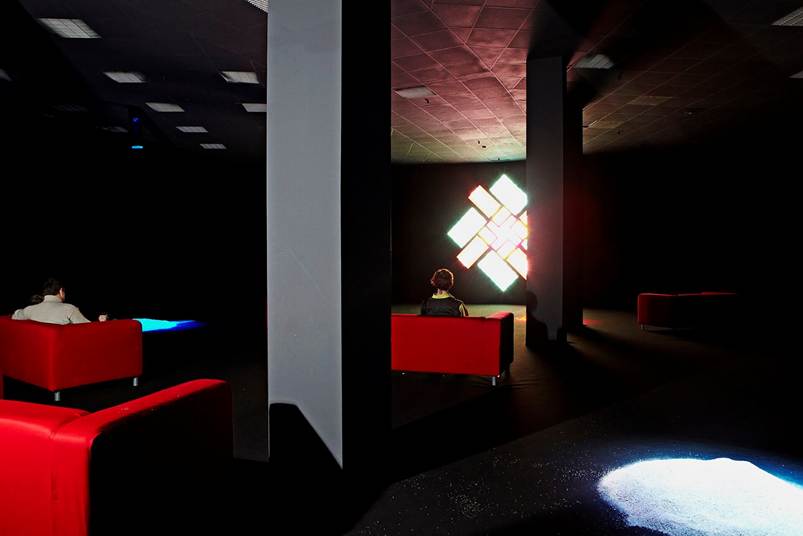
And it may well be from the world of contemporary art that the future stars of visual design will emerge, thinkers who can create all-encompassing designs that deliver immersive experiences to the public.
They’re likely to be artists who combine visual art, information graphics and installation art in their work.
Eliasson shows us how visual culture can’t do without design and how design would be nothing without an artist’s deep thinking about the world.
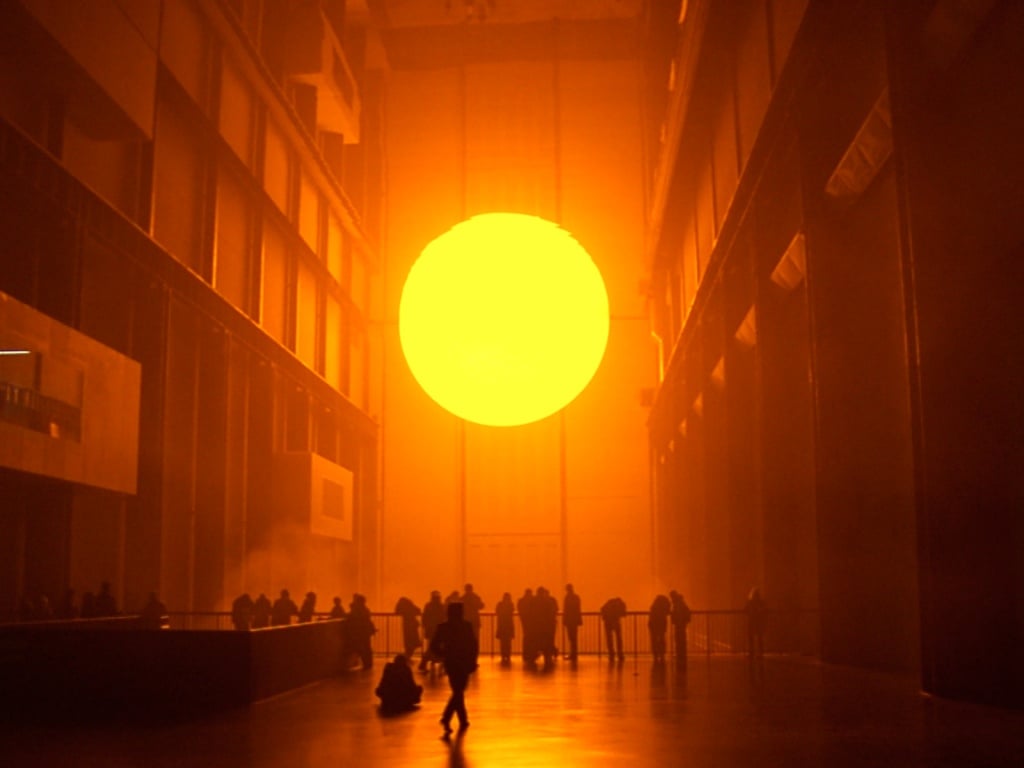
https://commons.wikimedia.org/wiki/File:The_Weather_Project.jpg